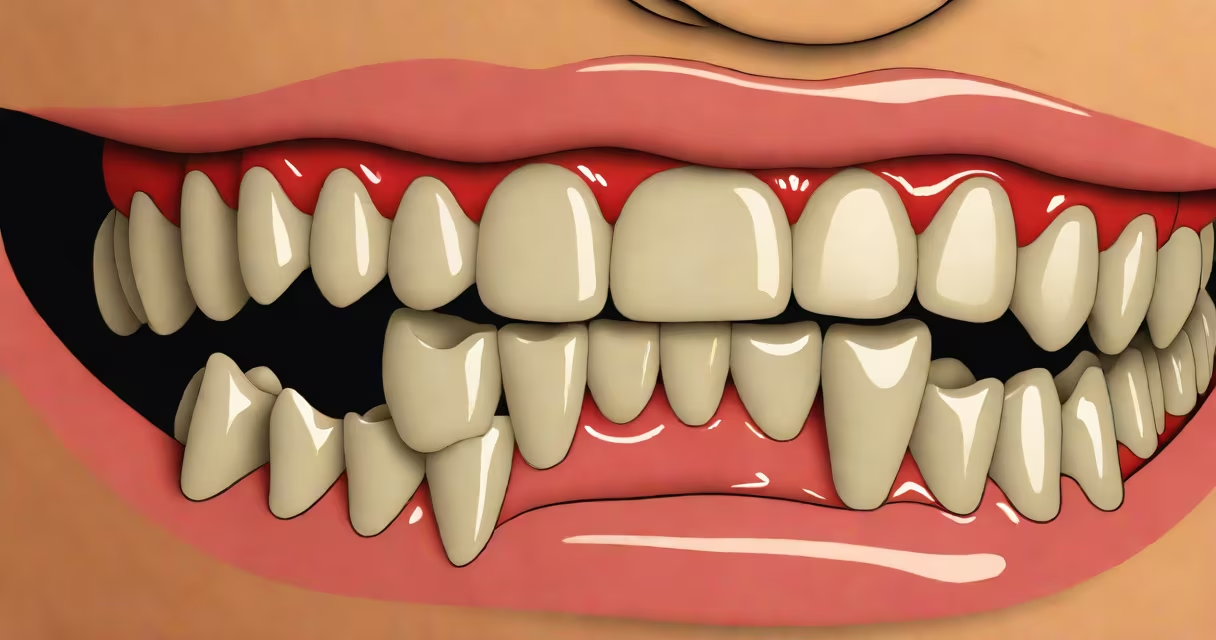
Molar teeth growing pain happens when permanent molars erupt through the gums, causing inflammation and tenderness. This typically occurs in children around ages 6 and 12, and in adults during wisdom tooth eruption (ages 17-21). The pain results from pressure on surrounding tissue as the new tooth breaks through.
The process of molar eruption involves the tooth pushing against the gum tissue and sometimes the bone. This creates pressure, leading to swelling, redness, and discomfort. Wisdom teeth often cause more severe pain because they may become impacted-stuck beneath the gums or only partially emerging.
According to the American Dental Association, molar eruption pain is most intense in the first few days as the tooth breaks through. The surrounding gum tissue may appear swollen and tender to the touch.
Humans have three sets of molars:
| Type | Age of Eruption | Common Issues |
|---|---|---|
| First molars | Around age 6 | Minimal pain, but may cause discomfort due to jaw adjustment |
| Second molars | Around age 12 | More noticeable pain, often accompanied by fever or irritability in children |
| Third molars (wisdom teeth) | Between ages 17-21 | High risk of impaction, infection, and severe pain |
For mild to moderate molar teeth growing pain, over-the-counter pain relievers like ibuprofen or acetaminophen can help. Applying a cold compress to the outside of the cheek reduces swelling. Rinsing with warm salt water soothes inflamed gums.
Some people find relief with natural remedies, such as clove oil (a numbing agent) or peppermint tea bags (anti-inflammatory properties). However, these should not replace professional dental care if pain persists.
If molar teeth growing pain lasts more than a few days, worsens, or is accompanied by fever, swelling, or difficulty opening the jaw, consult a dentist. These symptoms may indicate an infection or impacted tooth requiring extraction.
Wisdom teeth often need removal if they cause crowding, cysts, or chronic pain. A dentist can assess whether extraction is necessary using X-rays.
Unlike cavities or gum disease, which cause persistent pain, molar eruption pain is usually temporary and localized. However, if pain spreads to the jaw, ear, or head, it may indicate a more serious issue, such as temporomandibular joint (TMJ) disorder or sinus pressure. Learn more about head and teeth pain.
If home remedies don't work, prescription antibiotics or pain medication may be needed. In some cases, a dentist may recommend a small incision to help the tooth emerge.
I once helped a friend relieve their child's molar pain by applying a chilled rubber teething ring to the gum area. The cold numbed the pain while the pressure provided comfort-a trick that worked within minutes.
Molar teeth growing pain is a normal part of tooth development but can be uncomfortable. Managing discomfort with pain relievers, cold compresses, and proper oral hygiene helps. If pain is severe or prolonged, see a dentist to rule out complications. For wisdom teeth, early evaluation may prevent future issues.