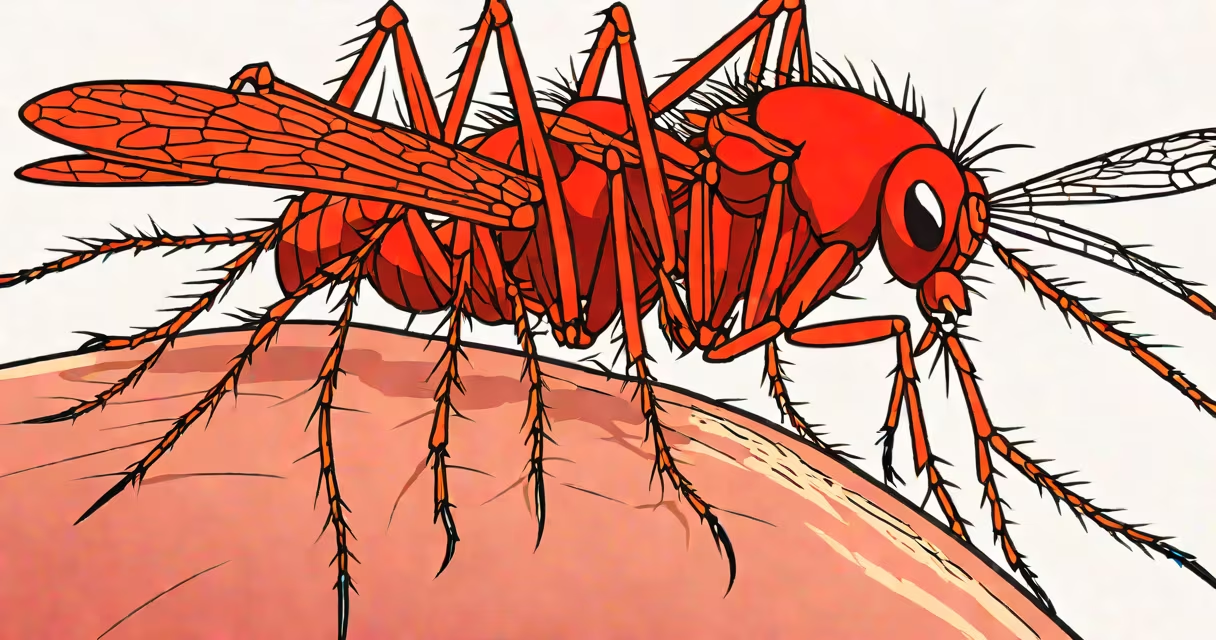
Mosquito bites itch days later because your immune system reacts to the mosquito's saliva, triggering delayed inflammation and histamine release. This delayed response occurs in some people due to individual immune sensitivity.
When a mosquito bites, it injects saliva containing proteins that prevent blood clotting. Your immune system recognizes these proteins as foreign invaders and releases histamine to fight them. In most cases, this reaction happens immediately, causing the bite to itch within minutes. However, some people experience a delayed reaction due to their immune system's slower response to certain proteins in the saliva.
Delayed reactions to mosquito bites can vary in severity and duration. The most common types include:
These reactions are more likely in people who have never been exposed to the specific mosquito species before, as their immune systems haven't developed tolerance to the saliva proteins.
The timing and intensity of a mosquito bite's itch depend on several factors, including the type of mosquito, the individual's immune sensitivity, and environmental conditions. For example, mosquito bites lasting days often indicate a stronger immune response or exposure to a new mosquito species.
People who frequently experience delayed reactions may benefit from allergy testing to identify specific triggers. In some cases, immunotherapy can help reduce the severity of future reactions.
To relieve the itching from mosquito bites that appear days later, apply a cold compress to reduce swelling and inflammation. Over-the-counter antihistamines like diphenhydramine (Benadryl) or loratadine (Claritin) can help block histamine receptors and alleviate itching. Topical creams containing hydrocortisone or calamine lotion can also provide relief.
If the bite becomes infected-indicated by increased redness, warmth, or pus-seek medical attention. In rare cases, severe allergic reactions may require epinephrine injections.
For those who frequently experience delayed reactions, avoiding mosquito-prone areas and using insect repellent can help prevent future bites. If symptoms persist or worsen, consulting a healthcare professional is advisable.