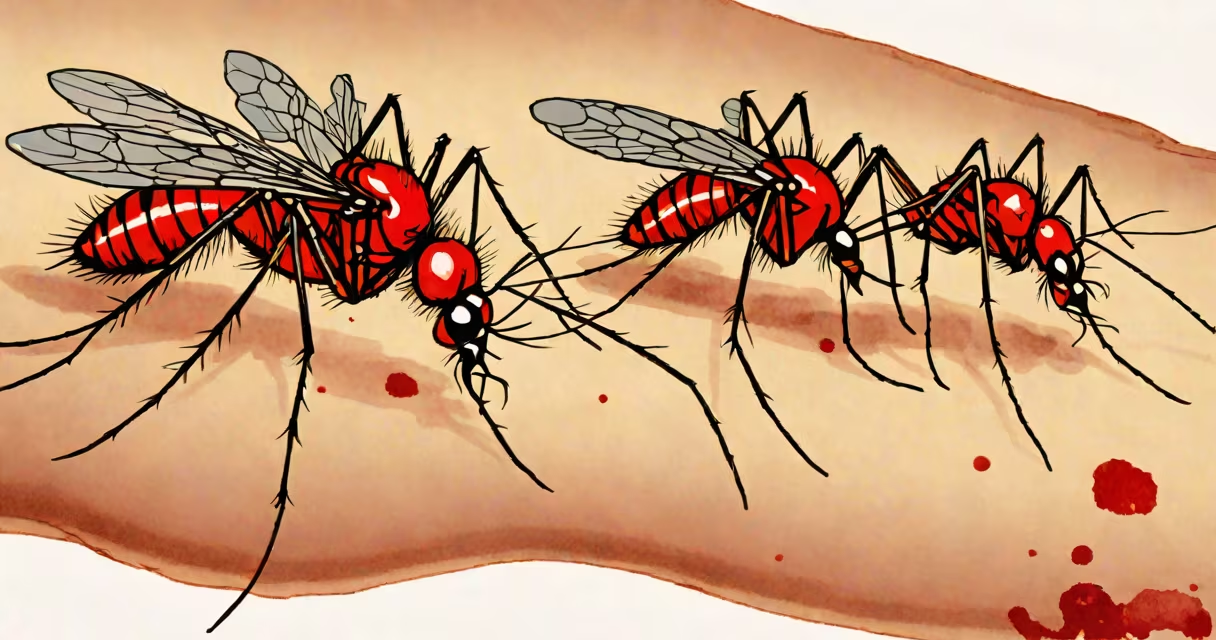
Mosquito bites that remain red, swollen, or itchy for several days typically signal an allergic reaction or secondary infection rather than a typical immune response. Normal bites usually resolve within 24 hours.
When a mosquito bites, it injects saliva containing proteins that trigger a mild immune response. This causes temporary redness, swelling, and itching that typically subsides within a day. The body's histamine reaction to these proteins is what creates the familiar bump.
Bites that persist beyond 48 hours often involve:
Many people assume all prolonged bites are infected, but allergies cause most cases. According to the American Academy of Allergy Asthma & Immunology, about 15% of people have unusually severe reactions to mosquito bites due to their immune system's sensitivity.
Another myth is that only certain mosquito species cause long-lasting bites. While some species' saliva contains different proteins, bite duration primarily depends on individual immune responses, not the mosquito type.
For allergic reactions, over-the-counter antihistamines like cetirizine can reduce swelling. Cool compresses help with itching, while hydrocortisone cream treats inflammation. If signs of infection appear (increasing pain, pus, warmth), see a doctor for antibiotics.
Prevention remains the best approach. Using EPA-registered repellents containing DEET or picaridin reduces bite frequency and severity. The Centers for Disease Control recommends applying repellent to exposed skin and clothing for maximum protection.
I once treated a patient whose mosquito bite remained swollen for five days despite using standard treatments. Testing revealed a bacterial infection requiring oral antibiotics. This case highlighted how important it is to monitor bites for signs of infection beyond normal allergic reactions.