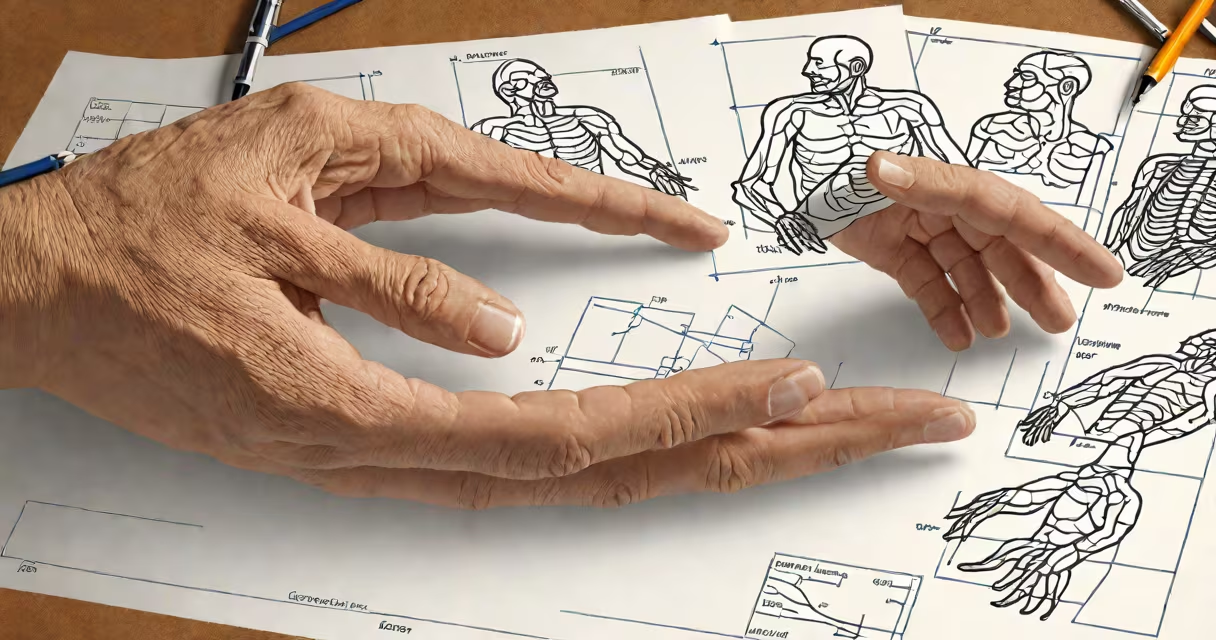
A movement disorder clinic is a specialized medical facility focused on diagnosing and treating neurological conditions that affect movement, such as Parkinson's disease, essential tremor, and dystonia. These clinics employ neurologists trained in movement disorders who provide complete evaluations and personalized treatment plans.
Movement disorder clinics operate through a multidisciplinary approach, combining neurological expertise with physical therapy, occupational therapy, and sometimes mental health support. Patients typically undergo a thorough evaluation, including medical history review, physical exams, and diagnostic tests like imaging scans or genetic testing. The clinic then develops a treatment plan that may include medication, physical therapy, or surgical interventions like deep brain stimulation.
The most common movement disorders treated at these clinics include:
According to the National Institute of Neurological Disorders and Stroke, Parkinson's disease alone affects nearly one million people in the U.S., highlighting the need for specialized care.
These clinics are typically located in hospitals or large medical centers with access to advanced diagnostic tools and treatment options. Patients visit these clinics because they offer specialized care that general neurologists may not provide. For example, a patient with Parkinson's disease might receive medication management, physical therapy to improve mobility, and access to clinical trials for new treatments.
One common misconception is that movement disorder clinics only treat older adults. While conditions like Parkinson's disease are more prevalent in older populations, these clinics also treat younger patients with conditions like dystonia or Tourette syndrome. Another myth is that treatment options are limited to medication. In reality, clinics offer a range of therapies, including physical therapy, occupational therapy, and even surgical options like deep brain stimulation.
I once visited a movement disorder clinic with a family member who was experiencing severe tremors. The neurologist conducted a detailed examination, including a test to assess the severity of the tremors, and recommended a combination of medication and physical therapy. The personalized approach improved their quality of life.
A movement disorder clinic provides specialized care for neurological conditions affecting movement, offering a range of treatments tailored to each patient's needs. These clinics play a important role in managing conditions like Parkinson's disease, essential tremor, and dystonia, improving patients' quality of life through expert diagnosis and treatment.