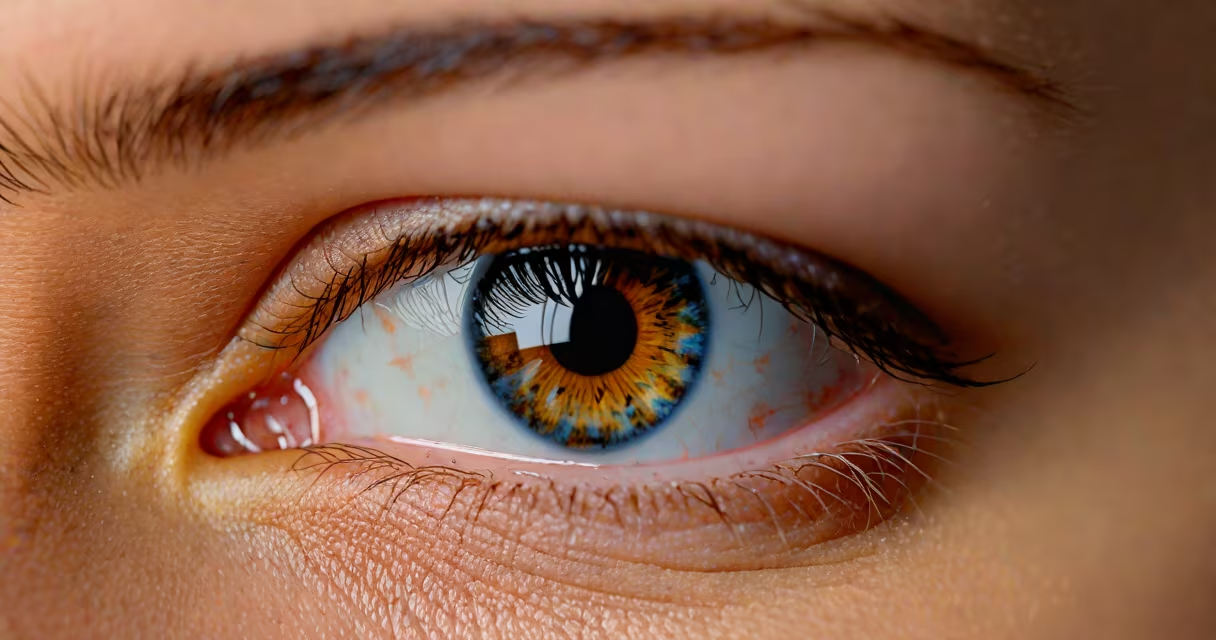
My left eye is twitching due to an involuntary muscle spasm in the eyelid, a common condition called blepharospasm. These twitches typically last minutes to hours, though persistent cases may require medical attention.
Eye twitching occurs when the muscles around your eye contract involuntarily. The most common type, benign essential blepharospasm, affects the orbicularis oculi muscle, which controls eyelid movement. These spasms are usually harmless but can be annoying.
Eye twitches fall into two broad categories:
Eye twitching often results from stress, fatigue, caffeine, or eye strain. Less commonly, it may indicate dry eyes or neurological conditions. While most cases are benign, frequent or severe twitching could signal underlying issues (cause for left eye twitching).
Consult a healthcare professional if twitching persists for more than three days, affects vision, or occurs with redness, swelling, or discharge. A doctor can rule out serious conditions like dry eye syndrome or neurological disorders.
I once experienced persistent left eye twitching after a long workweek. The spasms lasted about 48 hours before resolving on their own. Reducing screen time and getting more sleep helped prevent recurrence.
Most cases don't require treatment. For persistent twitches, doctors may recommend artificial tears, lubricating ointments, or oral medications. In rare cases, Botox injections or surgery may be necessary.
To reduce the likelihood of eye twitching:
While occasional eye twitching is generally harmless, understanding its causes and knowing when to seek medical advice can provide peace of mind. Most cases resolve without intervention, but persistent or severe twitching warrants professional evaluation.