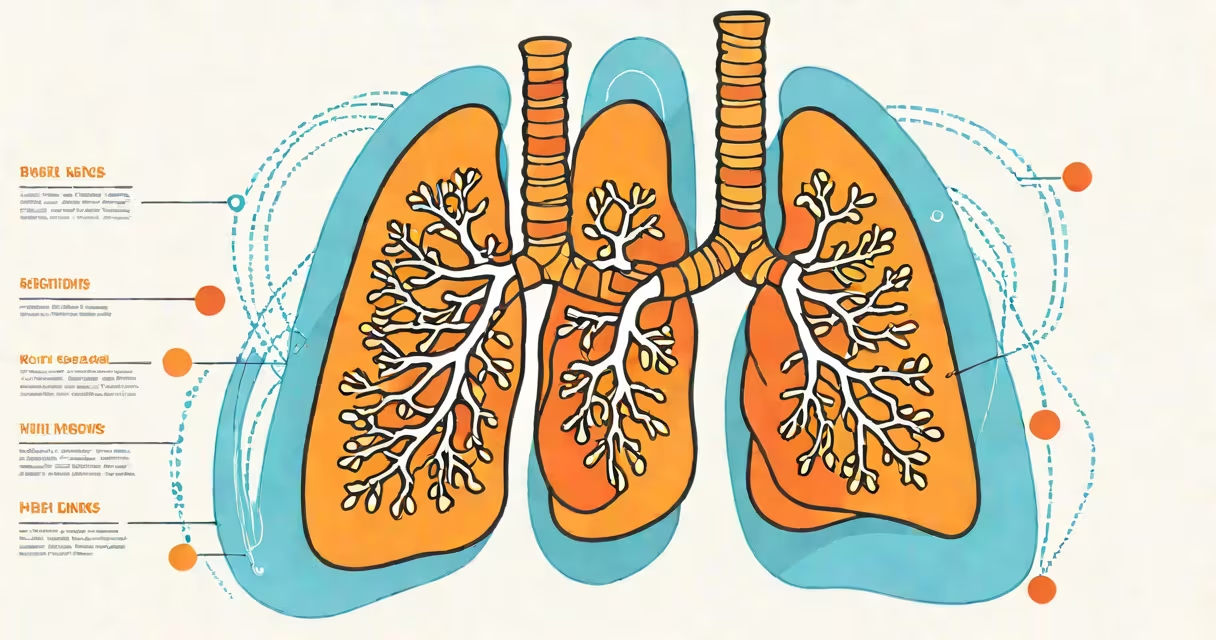
When your lungs hurt while breathing, it often signals irritation, infection, or inflammation in your respiratory system. This discomfort can range from a dull ache to sharp pains, sometimes worsening with deep breaths or coughing.
Lung pain typically stems from issues affecting the lungs themselves, the pleura (the membrane surrounding the lungs), or nearby structures like muscles and ribs. Common triggers include:
Consult a healthcare provider if lung pain persists beyond a few days, worsens suddenly, or comes with fever, coughing blood, or bluish skin. These signs may indicate serious conditions like pneumonia or pulmonary embolism. If you experience severe chest pain or difficulty breathing, seek emergency care immediately.
Doctors evaluate lung pain through physical exams, medical history, and tests like chest X-rays or CT scans. They may also order blood tests or pulmonary function tests to assess lung health. For example, a patient with sharp pain worsening with deep breaths might undergo an X-ray to check for pleural effusion, where fluid accumulates between lung layers.
Treatment depends on the cause. Antibiotics treat bacterial infections, while antiviral medications may help with viral causes. Nonsteroidal anti-inflammatory drugs (NSAIDs) reduce inflammation and pain. For muscle strains, rest and gentle stretching exercises aid recovery. In severe cases like pulmonary embolism, anticoagulant therapy prevents further clotting.
I once experienced sharp lung pain after intense exercise. A doctor diagnosed pleurisy and prescribed NSAIDs, which resolved the issue within a week. Rest and staying hydrated also helped.