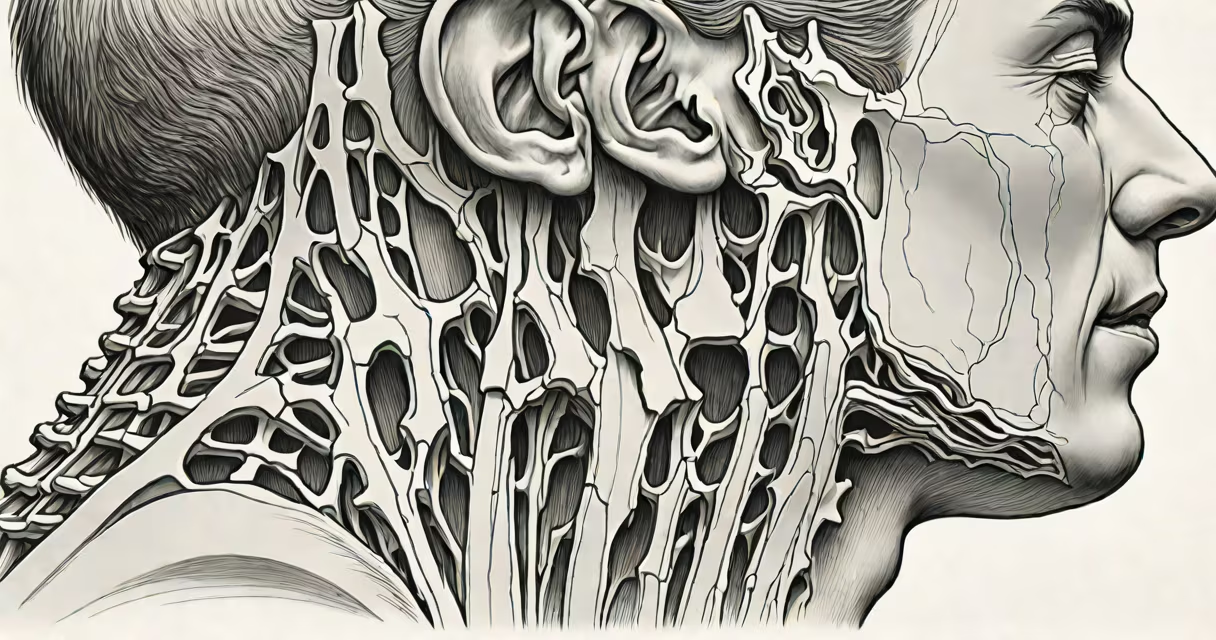
A sprained neck happens when ligaments in your cervical spine stretch or tear due to sudden movement or trauma. This differs from a muscle strain, which involves the muscles themselves. A common cause is whiplash, where the head jerks forward and backward suddenly.
Sprains occur when ligaments-the tough bands connecting bones-are overstretched or torn. In the neck, this typically results from abrupt forces like car accidents, sports injuries, or falls. The cervical spine bears most of the impact, and ligaments may tear partially or fully.
| Type | Severity | Recovery Time |
|---|---|---|
| Grade I | Mild stretching | 1-3 weeks |
| Grade II | Partial tear | 6-8 weeks |
| Grade III | Complete tear | 10-12 weeks |
Doctors use X-rays or MRIs to assess damage. Mild cases improve with rest, ice, and over-the-counter pain relievers. Severe sprains may require immobilization with a cervical collar or physical therapy. Surgery is rare but necessary for complete ligament tears.
I once sprained my neck during a skiing accident. The pain was intense, but wearing a soft collar for two weeks helped stabilize it while healing. Physical therapy restored my range of motion within eight weeks.
Many confuse a sprained neck with a muscle strain or pinched nerve. Unlike strains, sprains involve ligaments, not muscles. Pinched nerves cause radiating pain or tingling, while sprains focus on localized pain and swelling around the cervical spine.
Strengthening neck muscles through exercises improves flexibility and reduces injury risk. During activities like driving or contact sports, wearing seatbelts properly and using helmets can prevent whiplash.