A renewable resource is a natural source that replenishes itself over time, such as sunlight, wind, or water. These resources provide sustainable energy alternatives to finite fossil fuels.
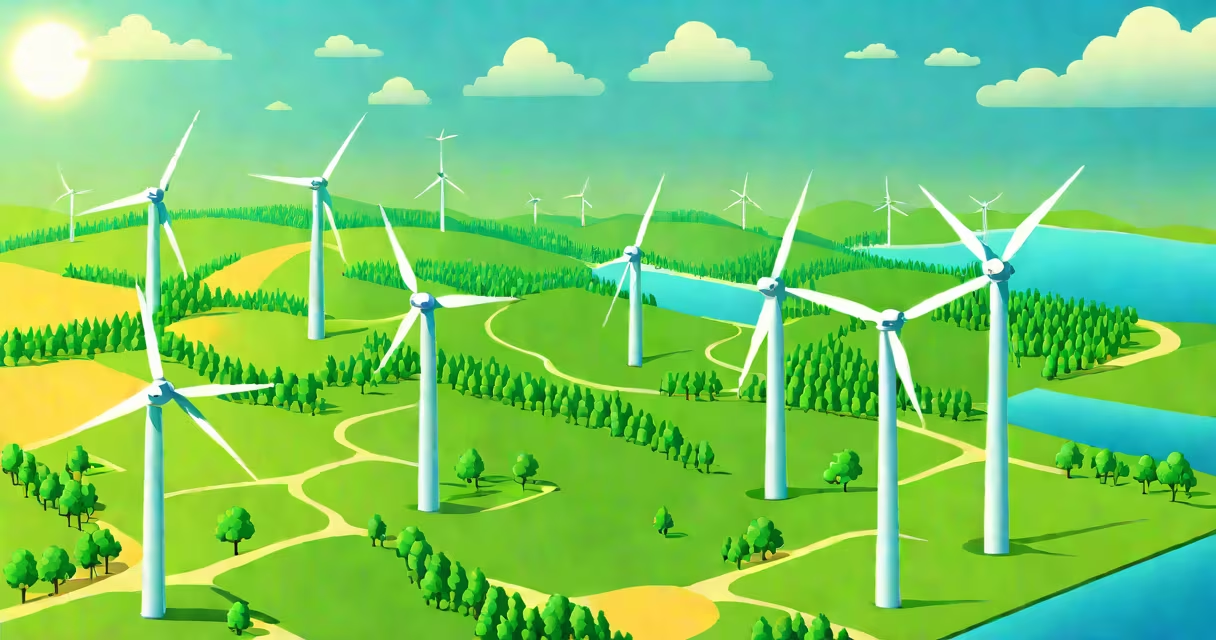
Renewable resources use energy from natural processes. For example, solar panels convert sunlight into electricity using photovoltaic cells. Wind turbines generate power by capturing kinetic energy from moving air. These systems operate continuously as long as the natural source is available.
| Resource Type | Example | Primary Use |
|---|---|---|
| Solar | Sunlight | Electricity generation, heating |
| Wind | Moving air | Electricity generation |
| Hydropower | Flowing water | Electricity generation |
| Biomass | Organic materials | Heating, electricity, biofuels |
| Geothermal | Earth's heat | Heating, electricity |
Renewable resources are used worldwide to reduce dependence on fossil fuels. For instance, Iceland generates nearly 100% of its electricity from hydropower and geothermal energy. These resources lower carbon emissions and mitigate climate change.
Many countries invest in renewable energy to achieve energy independence. Germany leads in solar power adoption, while Denmark excels in wind energy. The U.S. uses a mix of renewables, with California being a major solar energy producer.
Some people confuse renewable resources with non-renewable ones like coal or oil. Unlike fossil fuels, renewable resources do not deplete over time. Another misconception is that renewable energy is always intermittent. While solar and wind depend on weather conditions, advancements in storage technologies address this issue.
For example, Tesla's Powerwall stores excess solar energy for use during cloudy days or nighttime. This innovation ensures a steady power supply, making renewable energy more reliable.
I visited a solar farm in Arizona where rows of panels stretched across acres of desert land. The farm powers thousands of homes, demonstrating the scalability of renewable energy. Witnessing the silent operation of solar panels highlighted their efficiency and environmental benefits.