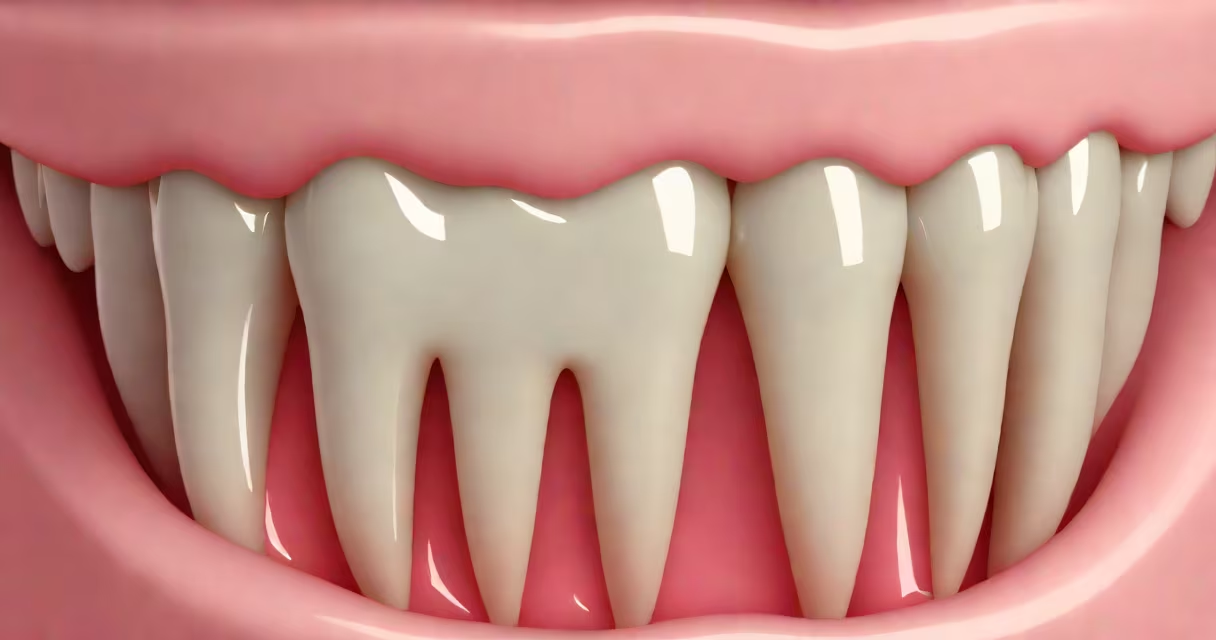
A cavity has formed in your tooth enamel, exposing sensitive inner layers to bacteria, air, and temperature changes. This creates sharp pain when pressure is applied or temperatures fluctuate.
Tooth enamel contains microscopic tubes leading to nerve endings. When decay removes protective enamel, these pathways become exposed. Cold, heat, or pressure triggers nerve reactions, creating pain signals sent to your brain.
Decay progresses through three layers: enamel (outermost), dentin (middle layer), and pulp (inner core containing nerves and blood vessels). Pulp exposure causes severe, constant pain requiring urgent dental care.
| Location | Typical Causes | Pain Characteristics |
|---|---|---|
| Between teeth | Poor flossing technique | Sharp pain when biting together |
| Chewing surfaces | Sticky foods | Temperature sensitivity |
| Near gumline | Acid erosion | Constant dull ache |
Rinse with warm salt water to reduce inflammation. Apply clove oil to numb the area temporarily. Take ibuprofen for pain and swelling. Avoid extremely hot or cold foods until you see a dentist.
I once treated a cavity's sharp pain by chewing sugar-free gum containing xylitol. The increased saliva flow helped flush bacteria from the decayed area, providing temporary relief.
See a dentist immediately if you experience swelling, fever, or pus near the affected tooth. These indicate infection spreading to surrounding tissues. A throbbing pain that wakes you at night suggests pulp involvement requiring root canal treatment.
According to the American Dental Association, untreated cavities can lead to abscesses, which may spread to other parts of the body if left untreated.
Brush twice daily with fluoride toothpaste. Floss daily to remove plaque between teeth. Limit sugary snacks and drinks. Chew sugar-free gum after meals to stimulate saliva production, which helps neutralize acids.
Regular dental checkups can catch early-stage decay before it becomes painful. Professional fluoride treatments strengthen enamel against decay.