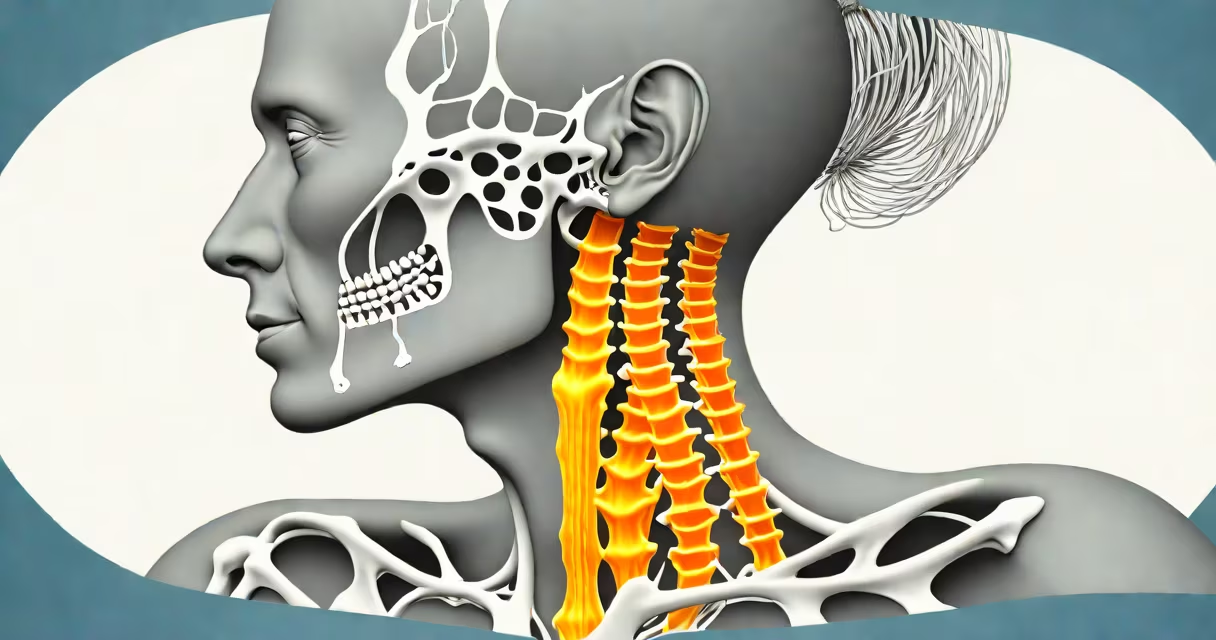
Neck pain that makes turning your head difficult usually results from muscle strain, nerve compression, or cervical spine issues. This condition often limits head rotation to 45 degrees or less.
The cervical spine supports your head's weight and allows movement. When muscles or joints in this area become inflamed or damaged, they restrict motion. The sternocleidomastoid muscle, which runs from your breastbone to your mastoid bone behind the ear, plays a key role in head rotation. Tightness here commonly causes limited movement.
| Type | Common Causes | Typical Symptoms |
|---|---|---|
| Muscle Strain | Poor posture, sudden movements, or prolonged positions | Localized pain, stiffness, tenderness |
| Cervical Spondylosis | Aging-related wear and tear on spinal disks | Chronic pain, reduced mobility, possible numbness |
| Nerve Compression | Herniated disks or bone spurs pressing on nerves | Sharp pain, radiating symptoms, weakness |
For muscle-related cases, gentle stretching and heat application often help. Physical therapy focusing on cervical range-of-motion exercises can restore movement. In my experience working with physical therapists, patients who follow prescribed exercise regimens typically regain normal head rotation within 2-4 weeks.
For nerve compression or cervical spondylosis, medical interventions like anti-inflammatory medications or epidural steroid injections may be necessary. Severe cases might require surgical consultation, especially when conservative treatments fail to provide relief.
Consult a healthcare provider if:
According to the American Academy of Orthopedic Surgeons, persistent neck pain with limited rotation warrants professional evaluation to rule out serious underlying conditions.
Understanding the specific cause of your neck pain is important for effective treatment. While muscle strains often resolve with simple remedies, other conditions may require more intensive care. Always consult healthcare professionals for personalized advice tailored to your specific situation.