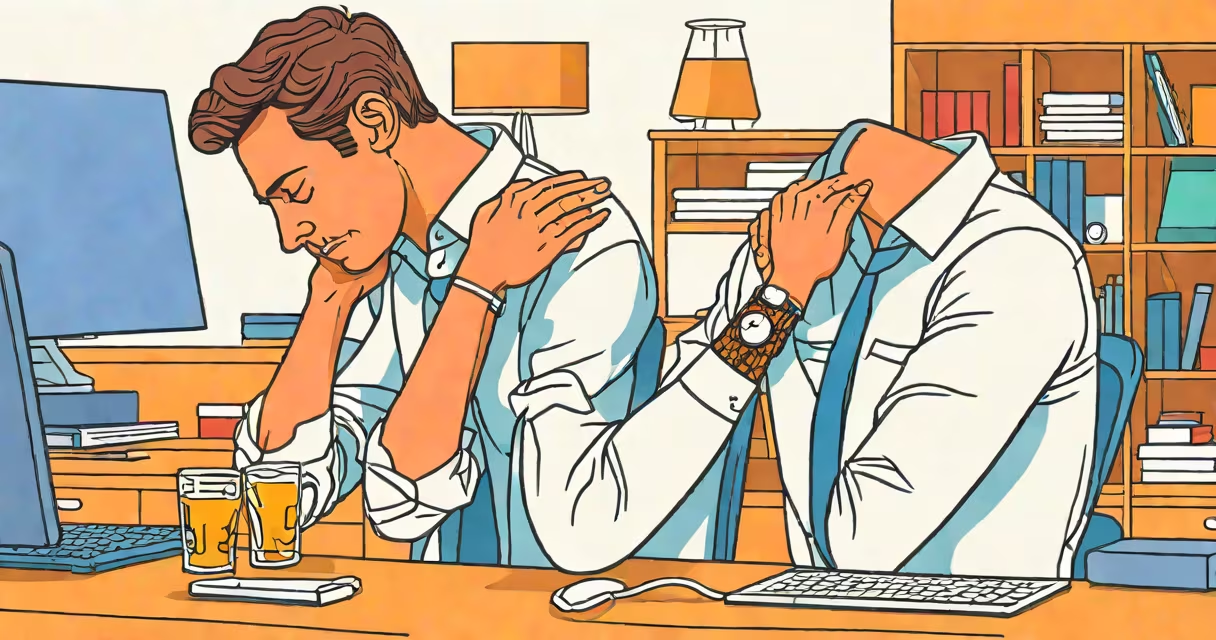
Neck pain after alcohol consumption typically results from dehydration, muscle inflammation, or poor sleep posture caused by drinking. The discomfort usually resolves within hours or days through hydration, gentle stretching, and over-the-counter pain relief.
Alcohol acts as a diuretic, increasing urine production and leading to dehydration. This dehydrated state causes muscles to cramp and tighten, including those in the neck., alcohol can disrupt sleep quality, exacerbating neck pain from poor sleeping positions.
Alcohol also triggers inflammatory responses in the body, which may contribute to muscle soreness and stiffness. A study published in the journal Alcoholism: Clinical & Experimental Research found that chronic alcohol consumption increases pro-inflammatory cytokines, which can lead to muscle pain.
The primary causes of neck pain after consuming alcohol include:
To alleviate neck pain after drinking, focus on rehydration, gentle stretching, and over-the-counter pain relief. Drink plenty of water to restore fluid balance and reduce muscle cramps. Stretching exercises, such as chin tucks and shoulder rolls, can relieve tension. Over-the-counter nonsteroidal anti-inflammatory drugs (NSAIDs) like ibuprofen can reduce inflammation and pain.
If neck pain persists beyond a few days or occurs alongside other symptoms like severe headaches or nausea, consult a healthcare professional to rule out more serious conditions.
While occasional neck pain after drinking is usually harmless, persistent or severe pain may indicate an underlying issue. Chronic alcohol consumption can lead to long-term muscle damage and inflammation, as noted by the National Institute on Alcohol Abuse and Alcoholism. If neck pain is frequent or accompanied by other symptoms, seek medical advice.