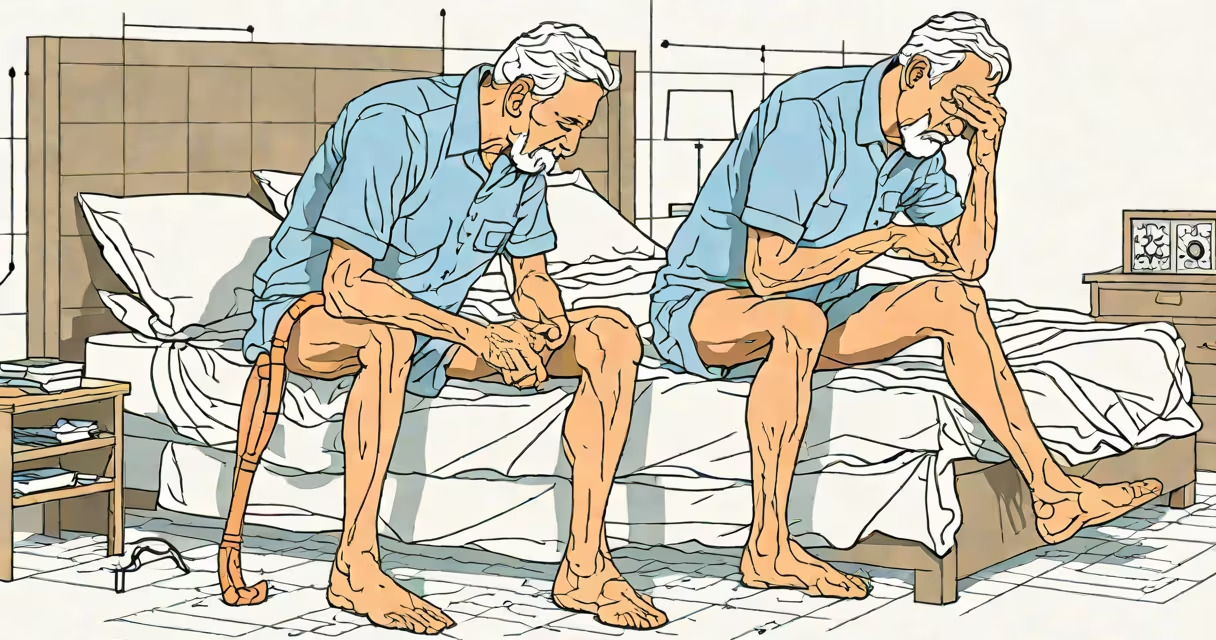
Night time leg cramps in seniors are sudden, involuntary contractions of leg muscles during sleep, typically lasting seconds to minutes. These cramps often occur in the calves but can also affect thighs or feet, disrupting sleep and causing discomfort.
Muscle cramps happen when muscles involuntarily contract and cannot relax. In seniors, this is often due to age-related changes in muscles and nerves. The body's electrolyte balance, particularly potassium, calcium, and magnesium, plays a important role. Dehydration, certain medications, or prolonged sitting can trigger these cramps.
While most night time leg cramps in seniors involve the calf muscles, they can also occur in the thighs or feet. The severity varies from mild twitches to intense pain. Some seniors experience frequent cramps, while others have occasional episodes.
Several factors contribute to night time leg cramps in seniors. Age-related muscle atrophy reduces flexibility and increases susceptibility to cramps. Poor circulation, common in older adults, can also play a role. Certain medications, such as diuretics or statins, may deplete essential minerals, leading to cramps.
Dehydration and electrolyte imbalances are frequent culprits. Seniors often have reduced thirst signals, making them prone to dehydration. Low levels of potassium, calcium, or magnesium can cause muscle spasms. Prolonged sitting or lying in one position can also trigger cramps by compressing nerves and reducing blood flow.
Many people believe night time leg cramps are simply a normal part of aging. While they are more common in seniors, they are not inevitable. Another myth is that stretching alone can prevent cramps. While stretching helps, addressing underlying causes like hydration and mineral balance is equally important.
To prevent night time leg cramps, seniors should stay hydrated throughout the day. A balanced diet rich in potassium, calcium, and magnesium can help maintain muscle function. Regular exercise, especially stretching before bed, can reduce cramp frequency. Avoiding prolonged sitting and using supportive footwear can also help.
If a cramp occurs, gently stretching the affected muscle can provide relief. Massaging the area or applying heat can help relax the muscle. Walking or standing on the affected leg can sometimes alleviate the cramp. In severe cases, consulting a healthcare provider to rule out underlying conditions is advisable.