Niijaansinaanik Child and Family Services is an Indigenous-led organization providing culturally relevant child welfare and family support in Ontario. It operates under a mandate to protect and promote the well-being of Anishinaabe children and families through services rooted in Indigenous values and traditions.
The agency delivers a range of services including child protection, family counseling, and cultural programming. Unlike mainstream child welfare systems, Niijaansinaanik incorporates traditional teachings and community involvement in decision-making processes. For example, elders often participate in case reviews to provide spiritual and cultural guidance.
Niijaansinaanik offers several key programs:
One unique aspect is the "Kokum's Kitchen" program, where grandmothers teach traditional cooking while discussing family dynamics and mental health.
Operating primarily in Ontario, Niijaansinaanik serves Anishinaabe communities across the province. The need arises from historical inequities in mainstream child welfare systems, which often fail to understand or respect Indigenous cultural practices. According to a 2020 report by the Ontario Native Welfare Association, Indigenous children are disproportionately represented in build care, making culturally appropriate services important.
Many assume Niijaansinaanik simply replicates provincial child welfare models. In reality, it operates under a different philosophical structure, prioritizing prevention over intervention. For instance, rather than removing children from homes, the agency focuses on strengthening family supports through cultural connection.
Another misconception is that these services are only for families in crisis. In practice, Niijaansinaanik offers preventive programs like parenting workshops and youth mentorship to build resilience before issues arise.
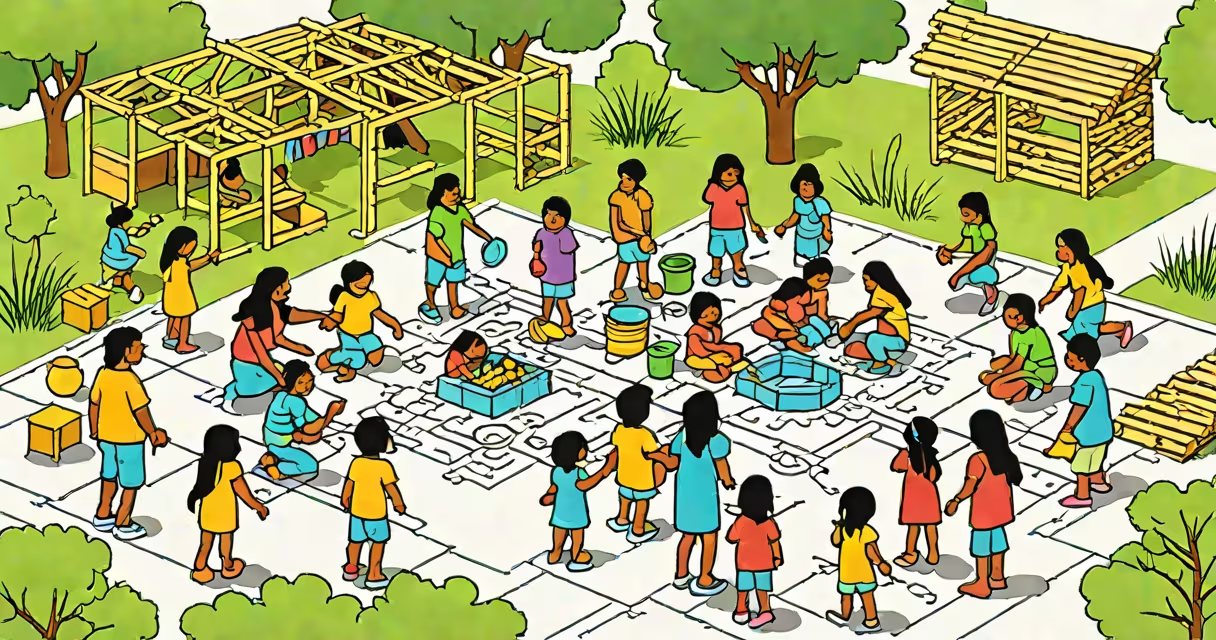
During a visit to their headquarters, I observed a gathering circle where families shared stories while an elder guided the discussion. This approach contrasts sharply with typical social work environments, emphasizing relationship-building over paperwork.
| Aspect | Niijaansinaanik | Mainstream Systems |
|---|---|---|
| Decision-Making | Community and elder involvement | Caseworker-driven |
| Cultural Integration | Traditional teachings embedded | Limited cultural considerations |
| Service Focus | Prevention and family preservation | Crisis intervention and removal |