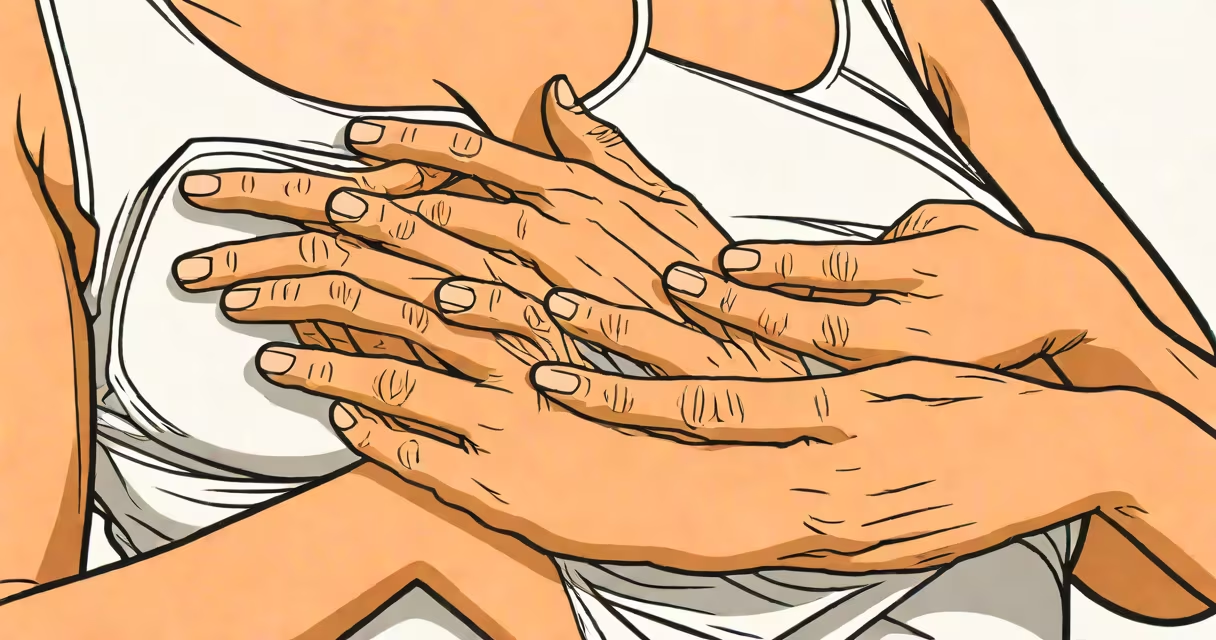
Nipple pain and early pregnancy frequently occur together as rising hormone levels prepare breasts for lactation. This discomfort typically begins around 4 weeks gestation and peaks between weeks 7-12.
Progesterone and estrogen surges increase blood flow to breast tissue while stimulating milk duct development. These changes make nipples more sensitive and prone to tenderness. The areola may darken and enlarge as melanin production increases.
| Type | Description | Typical Onset |
|---|---|---|
| Tenderness | General sensitivity to touch | Weeks 4-6 |
| Burning sensation | Sharp tingling or stinging | Weeks 6-8 |
| Throbbing | Pulsing discomfort | Weeks 8-12 |
Contact your healthcare provider if you notice:
The American College of Obstetricians and Gynecologists notes that while nipple changes are common, sudden severe pain warrants evaluation to rule out infections or other conditions.
Most women find relief through:
I found that switching to cotton bras and using a warm shower to ease tension helped during my first pregnancy.
Many people assume nipple pain always means pregnancy, but it can also result from:
According to the Mayo Clinic, tracking additional symptoms alongside nipple changes provides better insight into potential causes.