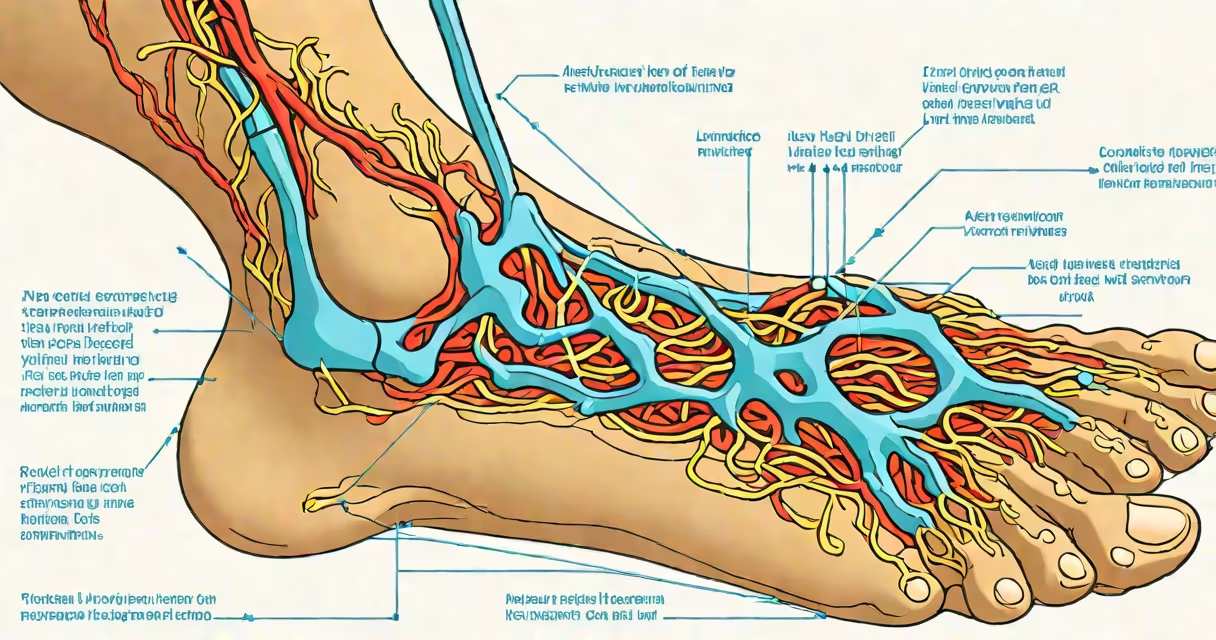
A numb spot on the sole of your foot is a localized area of reduced sensation caused by nerve compression, poor circulation, or other medical conditions. This numbness can range from mild tingling to complete loss of feeling.
The sole of the foot contains a network of nerves and blood vessels that provide sensation and mobility. When these nerves are compressed or damaged, they may not function properly, leading to numbness. The most common cause is pressure on the nerves, often due to footwear that is too tight or activities that put excessive strain on the feet.
Several factors can contribute to a numb spot on the sole of the foot:
Many people confuse a numb spot on the sole of the foot with general foot pain or soreness. However, numbness specifically indicates nerve involvement, whereas soreness or pain can result from muscle strain, inflammation, or injury. For example, a sore spot on the sole of the foot may feel tender or painful when pressed, while a numb spot typically feels like pins and needles or a complete lack of sensation.
Treatment depends on the underlying cause. For mild cases, resting the foot, wearing supportive footwear, and avoiding activities that exacerbate the numbness can help. More severe cases may require medical intervention, such as physical therapy, medication, or surgery. For instance, if the numbness is due to tarsal tunnel syndrome, a doctor may recommend wearing a brace or undergoing physical therapy to relieve pressure on the nerve.
In my experience, switching to well-fitted shoes and using orthotic inserts has reduced the numbness in my foot. I also found that regular foot exercises improved circulation and reduced the frequency of numb spots.
If the numbness persists for more than a few weeks or is accompanied by other symptoms such as pain, swelling, or changes in skin color, it is important to consult a healthcare professional. Early diagnosis and treatment can prevent further damage and improve outcomes.