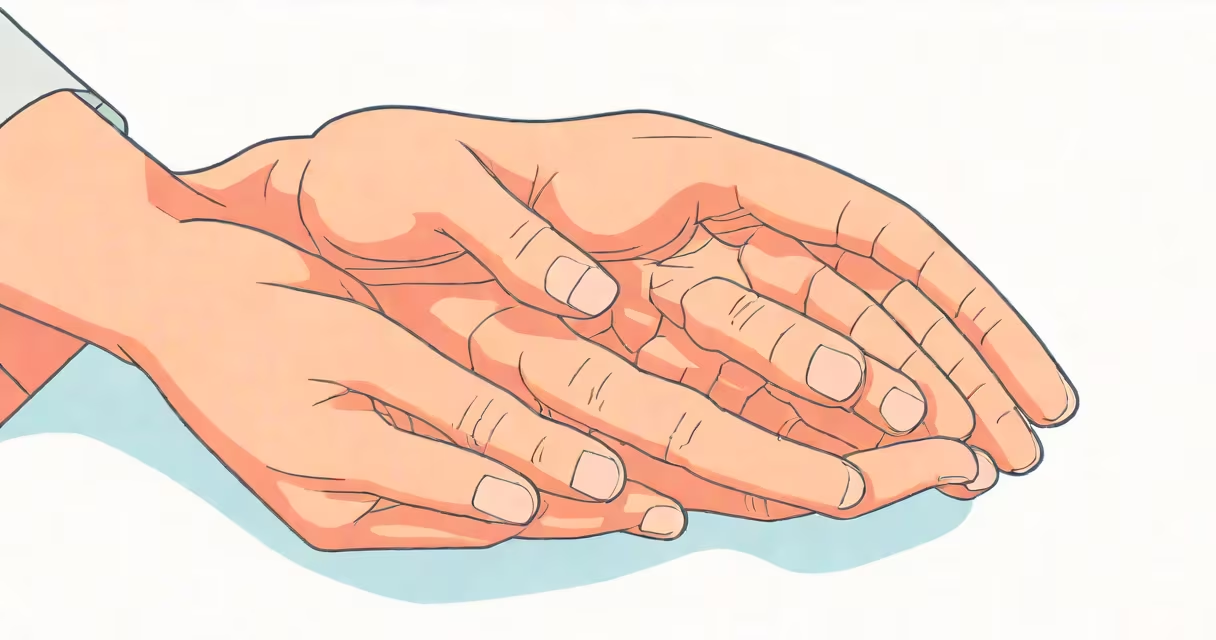
Numbness and tingling in your left hand typically result from nerve compression, poor circulation, or nerve damage. These sensations often occur temporarily due to awkward sleeping positions or prolonged pressure.
Nerves transmit signals between your brain and body parts. Compression or irritation disrupts these signals, causing tingling (pins and needles) or numbness (loss of sensation). Temporary numbness usually resolves within minutes, but persistent symptoms may indicate underlying conditions.
The most common causes include:
Consult a healthcare provider if numbness and tingling persist beyond a few weeks, worsen over time, or accompany other symptoms like weakness, clumsiness, or muscle atrophy. These could signal serious conditions such as stroke, multiple sclerosis, or tumors.
Many people assume numbness and tingling always indicate severe problems. While chronic symptoms warrant attention, temporary instances often stem from benign causes like sleeping on your arm or sitting with crossed legs. However, persistent or recurring symptoms should never be ignored.
Another misconception is that only older adults experience these symptoms. Numbness and tingling can affect anyone, including young, healthy individuals, especially those with repetitive hand movements or poor posture.
Sarah, a 35-year-old graphic designer, noticed tingling in her left hand after long work sessions. She adjusted her workspace ergonomics, took frequent breaks, and wore a wrist splint at night. Her symptoms improved within weeks, likely due to mild carpal tunnel syndrome.
According to the American Academy of Orthopaedic Surgeons, carpal tunnel syndrome affects about 3% of the population, with women experiencing it more frequently than men. The National Institute of Neurological Disorders and Stroke notes that peripheral neuropathy affects over 20 million Americans, often due to diabetes.