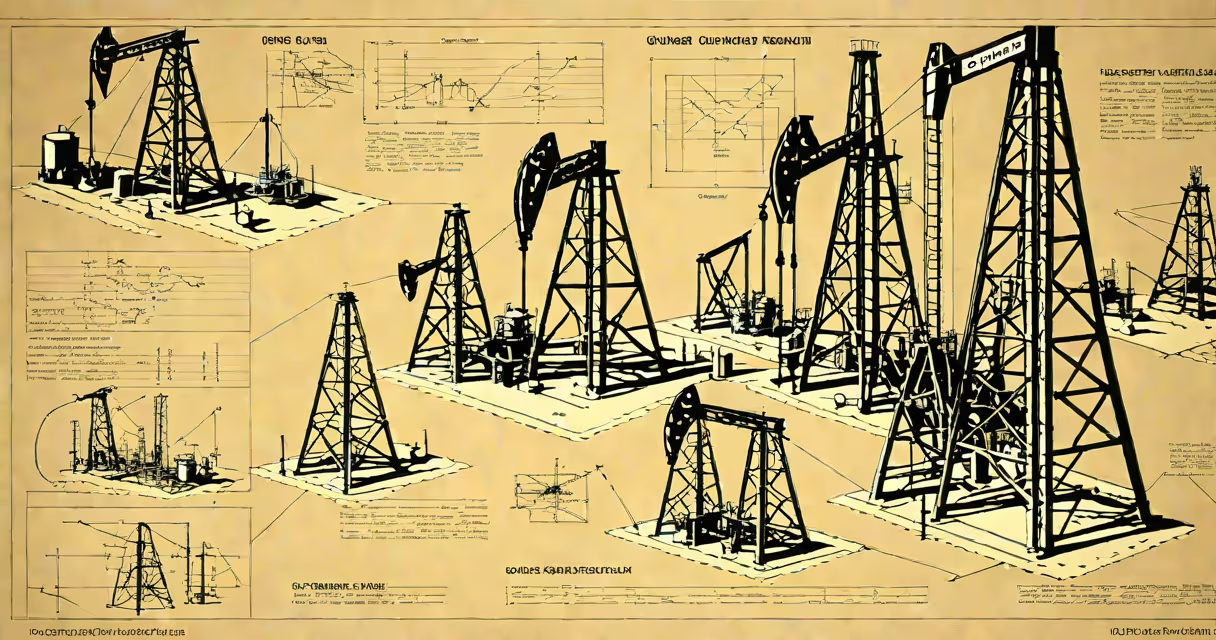
The Oklahoma Corporation Commission (OCC) oil and gas division regulates drilling, production, and conservation to prevent waste and protect natural resources. The OCC issues permits, enforces state laws, and ensures compliance with environmental standards.
The OCC oversees oil and gas activities through permitting, inspections, and enforcement. Operators must apply for permits before drilling, and the OCC reviews applications to ensure compliance with state laws and environmental regulations. Inspectors monitor operations to prevent violations, such as improper waste disposal or excessive flaring.
The OCC enforces rules on spacing, drilling, production, and conservation. Spacing rules determine well locations to maximize resource recovery and minimize conflicts. Drilling regulations cover well construction, safety, and environmental protection. Production rules govern extraction methods, while conservation laws prevent waste.
| Regulation Type | Key Requirements |
|---|---|
| Spacing | Wells must be spaced to maximize recovery and prevent interference. |
| Drilling | Wells must meet safety and environmental standards during construction. |
| Production | Operators must use approved methods to extract oil and gas efficiently. |
| Conservation | Rules prevent waste by requiring proper handling of resources and byproducts. |
The OCC regulates oil and gas activities across Oklahoma, a major producer of both resources. The state ranks among the top 10 U.S. producers of oil and natural gas. Regulations ensure responsible development, protect the environment, and prevent conflicts between operators.
Oklahoma's oil and gas industry contributes to the state's economy. The OCC's regulations balance economic benefits with environmental protection. For example, the OCC requires operators to capture natural gas that would otherwise be flared, reducing emissions and increasing efficiency.
Some believe the OCC only regulates large companies, but it oversees all operators, including small producers. Others think the OCC focuses solely on environmental protection, but it also ensures fair competition and prevents waste.
In 2023, the OCC fined an operator $50,000 for violating flaring rules. The operator exceeded permitted flaring limits, wasting natural gas and harming air quality. The OCC ordered the operator to install equipment to capture the gas, demonstrating its commitment to conservation and environmental protection.
Understanding how oil and gas are formed helps explain why conservation is critical. These resources form over millions of years from decayed organic matter under heat and pressure. Wasteful practices deplete these finite resources faster than they can replenish, making regulation essential.