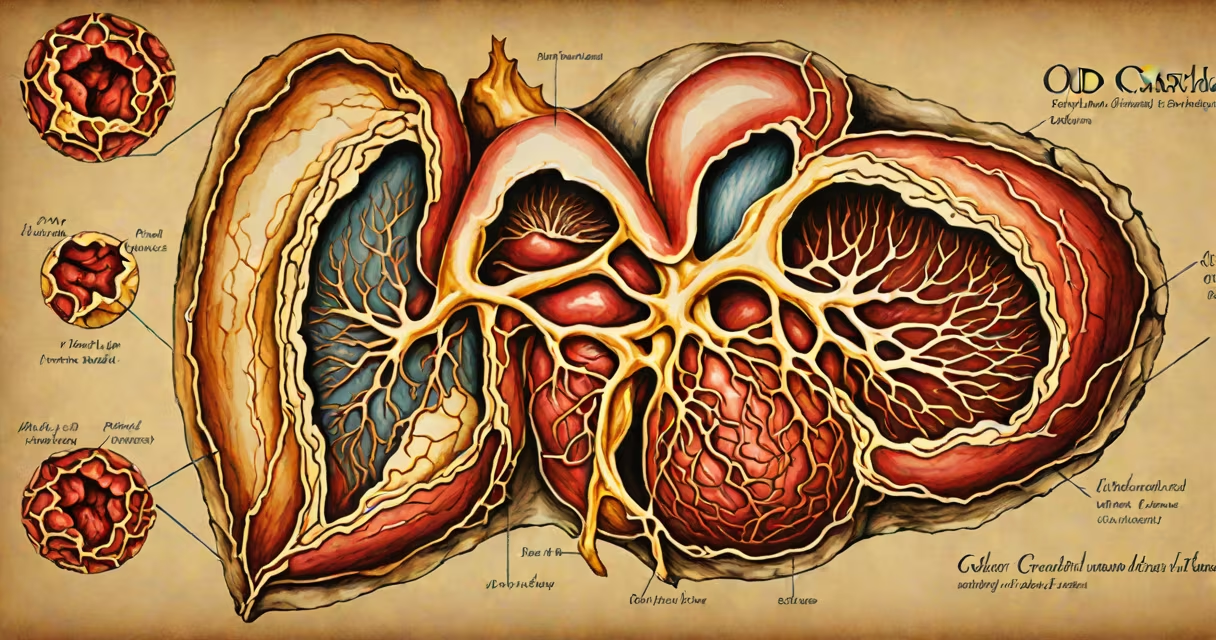
Old myocardial infarction refers to a heart attack that occurred weeks, months, or even years ago, resulting in permanent damage to heart muscle tissue. This scar tissue forms as part of the healing process after blood flow to the heart is blocked.
A myocardial infarction (heart attack) happens when a coronary artery becomes blocked, typically by a blood clot. Without immediate treatment, heart muscle cells begin dying within minutes due to lack of oxygen. The body responds by replacing dead cells with scar tissue during the healing process.
This scar tissue is functionally different from healthy heart muscle. While it helps stabilize the damaged area, it doesn't contract like normal heart muscle tissue. The term "old" indicates that the heart attack occurred sufficiently long ago that the healing process is complete.
Heart attacks can be classified based on their timing and characteristics:
| Type | Timing | Characteristics |
|---|---|---|
| Acute myocardial infarction | Within hours | Active damage with enzyme release |
| Subacute myocardial infarction | Days to weeks | Early healing phase |
| Old myocardial infarction | Weeks to years | Complete healing with scar formation |
Cardiologists diagnose old myocardial infarctions through several methods. Electrocardiograms (ECGs) show characteristic Q waves indicating previous damage. Cardiac MRI can visualize scar tissue, while blood tests for cardiac enzymes are typically normal since the acute phase has passed.
One common misconception is that old myocardial infarctions don't require attention. In reality, they can still affect heart function and increase the risk of future cardiac events. According to the American Heart Association, individuals with previous heart attacks have a higher likelihood of subsequent cardiovascular problems.
The scar tissue from old myocardial infarctions can disrupt normal heart rhythms, potentially leading to arrhythmias. It may also weaken the heart's pumping ability, particularly if the damage is extensive. In severe cases, this can result in heart failure.
I've seen this firsthand during my work with cardiac patients. One individual had an undiagnosed old myocardial infarction that was discovered during a routine check-up. Despite having no symptoms, the scar tissue had created a substrate for dangerous heart rhythms that required medical intervention.
While you can't undo the damage from an old myocardial infarction, you can take steps to prevent further heart damage. This includes maintaining a healthy lifestyle, controlling conditions like high blood pressure and diabetes, and following your doctor's recommendations for medications and cardiac rehabilitation.
For those with previous heart attacks, regular follow-up with a cardiologist is essential. Monitoring for complications and managing risk factors can improve long-term outcomes. The Mayo Clinic recommends that individuals with a history of heart attack receive complete cardiac care to minimize future risks.
Understanding old myocardial infarction is important for proper heart health management. While the damage is permanent, awareness and proactive care can help maintain heart function and reduce the risk of additional cardiac events.