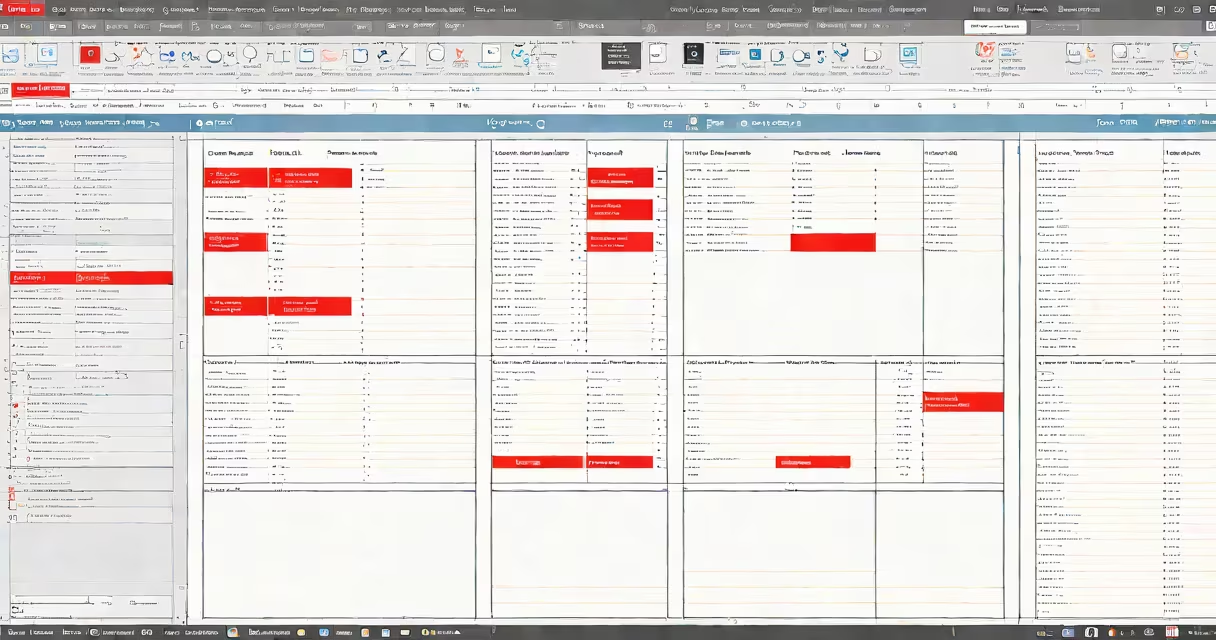
Oracle Primavera P6 training prepares professionals to use this enterprise project portfolio management software for scheduling, resource allocation, and risk analysis. It covers the full project lifecycle.
The software uses a critical path method (CPM) approach to identify project dependencies and calculate float times. Projects are broken into work breakdown structures (WBS) with tasks organized hierarchically. The tool supports both bottom-up and top-down planning approaches.
| Feature | Description |
|---|---|
| Project Scheduling | Create and manage detailed project schedules with Gantt charts |
| Resource Management | Allocate and track labor, equipment, and materials |
| Risk Analysis | Identify and mitigate project risks with what-if scenarios |
| Reporting | Generate custom reports and dashboards |
| Collaboration | Share project data with stakeholders |
Construction firms, engineering companies, and government agencies rely on Primavera P6 for large-scale infrastructure projects. According to Oracle, over 1,000 organizations worldwide use the software for project management.
I first encountered Oracle Primavera P6 during a construction project where we needed to coordinate multiple subcontractors. The software's ability to handle complex dependencies between trades was invaluable for keeping the project on schedule.
Many people confuse Primavera P6 with Microsoft Project, but P6 handles much larger and more complex projects. While Microsoft Project is suitable for small to medium-sized projects, Primavera P6 is designed for enterprise-level project portfolio management.
Training programs typically cover:
According to Oracle University, proper training can reduce project delays by up to 30%. Training programs often include hands-on exercises with sample projects to provide practical experience.