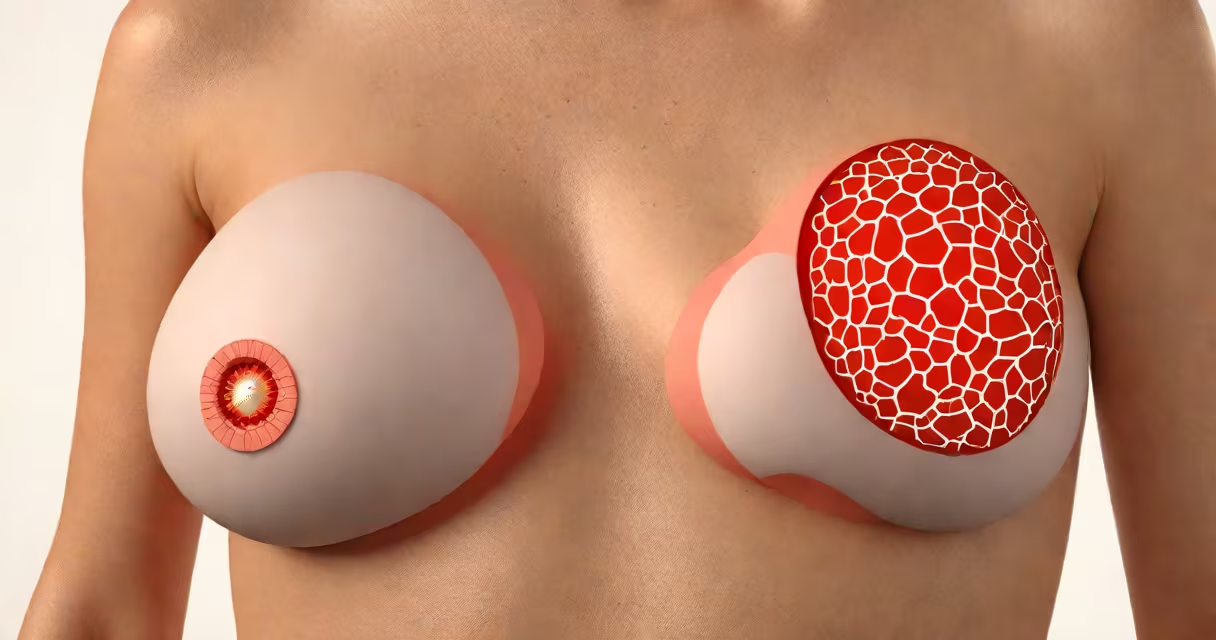
Pain around the boob typically results from muscle strain, hormonal fluctuations, or medical conditions affecting the chest wall or breast tissue. This discomfort may feel sharp, dull, or burning and can occur in one or both breasts.
Breast tissue contains milk ducts, lobules, and supportive tissue, all surrounded by muscles, ribs, and skin. Pain arises when these structures become inflamed, irritated, or injured. Hormonal changes during menstrual cycles, pregnancy, or menopause often trigger temporary sensitivity. In other cases, pain signals originate from nearby structures like ribs or nerves rather than the breast itself.
| Type | Characteristics | Duration |
|---|---|---|
| Cyclical pain | Linked to menstrual cycle, often in both breasts | Days to weeks |
| Noncyclical pain | Unrelated to hormones, may feel sharp or localized | Varies |
| Extracyclical pain | From nearby structures like muscles or ribs | Varies |
Most cyclical pain resolves on its own. Noncyclical pain may require medical attention if persistent. According to the Mayo Clinic, about 70% of women experience breast pain at some point, most commonly between ages 30 and 50.
Hormonal fluctuations during menstruation, pregnancy, or menopause frequently cause temporary breast tenderness. Other causes include muscle strains, costochondritis (chest wall inflammation), or conditions like fibrocystic breast changes. Less commonly, infections, cysts, or tumors may contribute. Pain around the breastbone (see here) sometimes gets mistaken for breast pain due to shared nerve pathways.
Consult a healthcare provider if pain persists beyond one to two menstrual cycles, worsens, or occurs with other symptoms like lumps, nipple discharge, or skin changes. Sudden, severe pain may indicate conditions like shingles or heart issues requiring immediate care. A doctor will perform a physical exam and may order imaging tests to rule out serious conditions.
I once experienced sharp pain under my left breast that worsened with deep breaths. After ruling out heart issues, my doctor diagnosed costochondritis, which resolved with anti-inflammatory medication and rest. The key was distinguishing the pain's origin-something a professional evaluation confirmed.
For hormonal-related pain, over-the-counter pain relievers, supportive bras, or reducing caffeine intake may help. Nonsteroidal anti-inflammatory drugs (NSAIDs) can ease muscle or joint-related discomfort. In cases like costochondritis, physical therapy or targeted exercises may alleviate pressure on affected areas. Always consult a healthcare provider before trying new treatments.
While occasional breast pain is usually harmless, understanding its patterns and triggers helps determine when to seek medical advice. Persistent or unexplained pain warrants professional evaluation to ensure proper diagnosis and treatment.