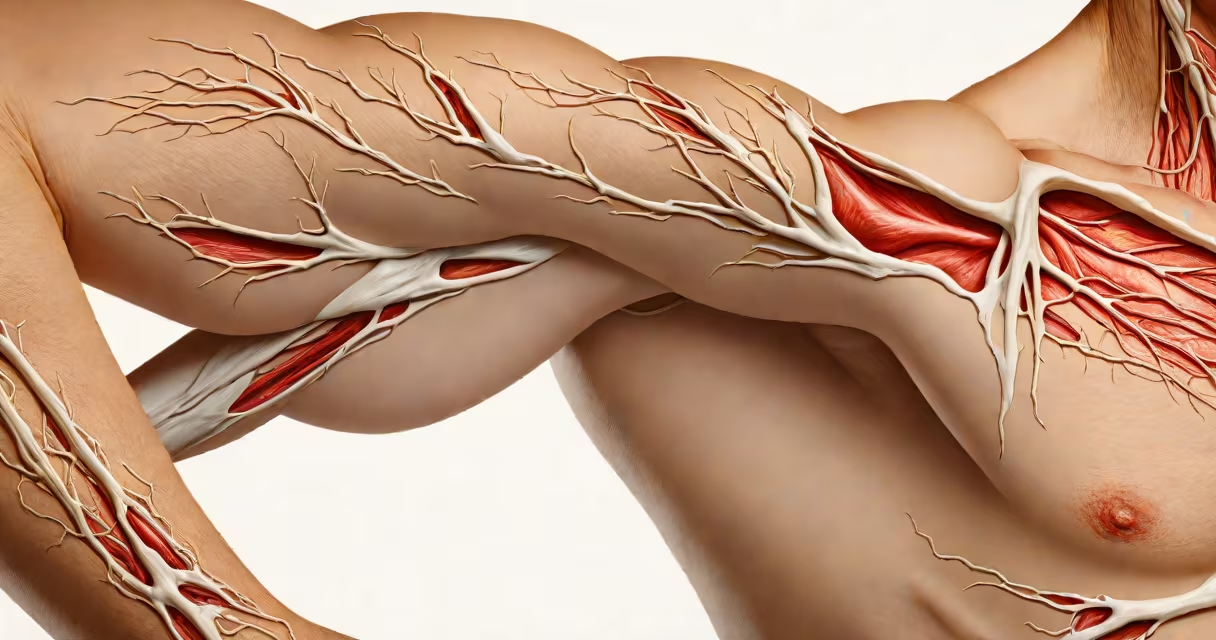
Pain in the left armpit without a lump often stems from muscle strain, nerve irritation, or inflammation in nearby structures. This discomfort can range and may feel sharp, dull, or burning.
Several conditions can cause left armpit pain without a lump:
The armpit area contains muscles, lymph nodes, blood vessels, and nerves. Pain in this region often results from irritation or injury to these structures. For example, the intercostal nerves can become compressed or inflamed due to poor posture or repetitive motions, leading to pain in the armpit.
| Type | Description | Example |
|---|---|---|
| Muscle-related pain | Pain caused by strain or injury to the muscles around the shoulder or chest | Pain after an intense workout or from carrying heavy objects |
| Nerve-related pain | Pain caused by irritation or inflammation of the nerves in the area | Intercostal neuralgia or shingles |
| Inflammatory pain | Pain caused by inflammation of structures near the armpit | Costochondritis or tendinitis |
While many causes of left armpit pain are harmless, some require medical attention. Seek medical help if:
According to the Mayo Clinic, persistent or severe pain should always be evaluated by a healthcare professional to rule out serious conditions.
Many people assume that any pain in the armpit is due to a lump or cancer. However, most cases of left armpit pain without a lump are due to benign causes, such as muscle strain or nerve irritation. A study published in the journal Pain Medicine found that only a small percentage of armpit pain cases were related to cancer.
Sarah, a 35-year-old graphic designer, noticed a sharp pain in her left armpit after a long day of work. She had been sitting at her desk for hours with poor posture. The pain worsened when she moved her arm. After a few days of rest and over-the-counter pain medication, the pain subsided. Sarah's doctor diagnosed her with intercostal neuralgia, likely caused by prolonged poor posture.
Pain in the left armpit without a lump is usually not a cause for concern and can often be treated with rest, over-the-counter pain medication, or simple lifestyle changes. However, if the pain is severe, persistent, or accompanied by other symptoms, it is important to see a doctor for a proper evaluation.