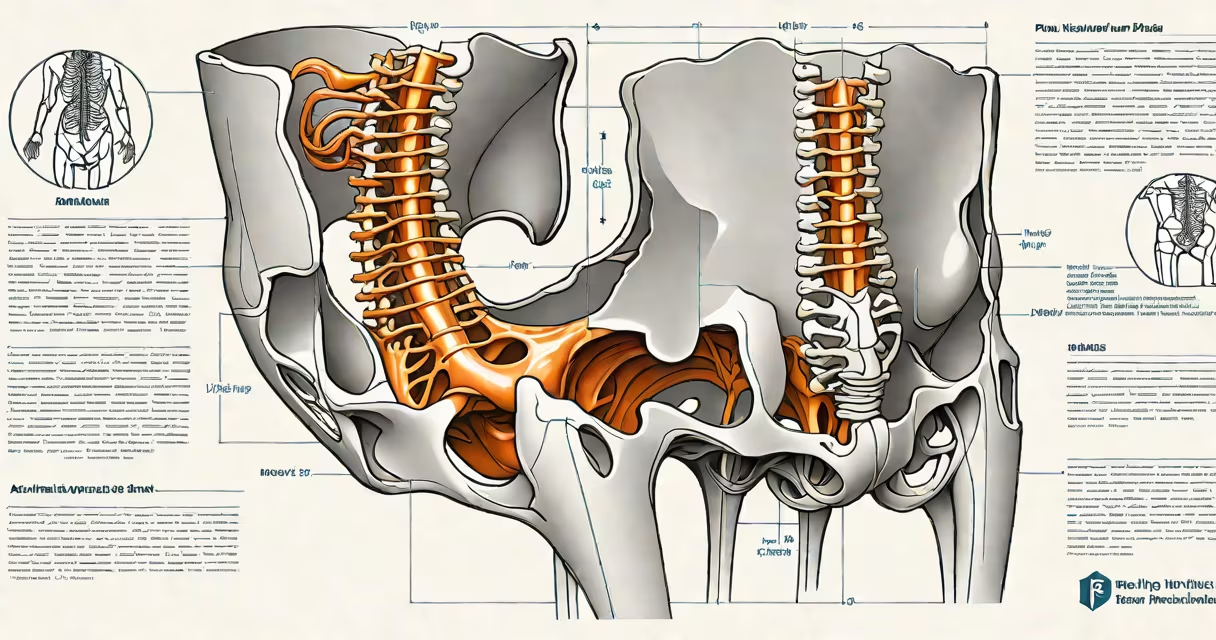
Pelvic pain in females refers to discomfort in the lower abdomen between the hips and below the belly button, often linked to reproductive organs, digestion, or muscles. It can be acute (sudden) or chronic (long-lasting).
Pelvic pain originates from structures within the pelvic region, including the uterus, ovaries, bladder, intestines, or surrounding muscles. Nerves in these areas send pain signals to the brain when irritated or damaged.
The most common causes fall into three categories:
A 2018 study in Nature Reviews Disease Primers found that about 15% of women worldwide experience chronic pelvic pain, with endometriosis being a leading cause.
Symptoms vary but often include:
Seek medical attention if pain persists for more than a few days, worsens suddenly, or occurs with:
Diagnosis typically involves a pelvic exam, ultrasound, or MRI to identify the underlying cause.
Treatment depends on the cause but may include:
Lifestyle changes, such as gentle exercise or stress management, can also help manage symptoms.
I once experienced persistent pelvic pain that turned out to be a muscle strain from poor posture. Physical therapy resolved it within weeks-a reminder that pelvic pain isn't always related to reproductive health.