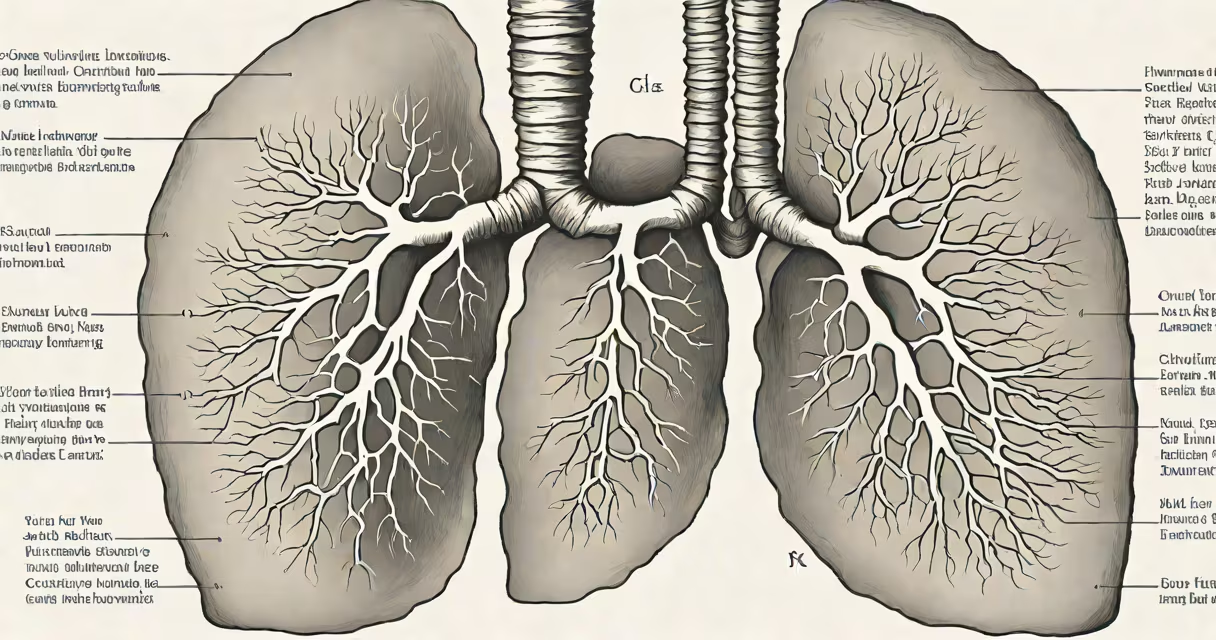
Pain in your left lung when breathing typically indicates irritation or inflammation of structures in your chest, including your lungs, rib cage, or surrounding muscles. This discomfort often feels sharp or stabbing and worsens with deep breaths, coughing, or movement.
Your lungs expand and contract during breathing, pulling on nearby structures. When these tissues become inflamed or damaged, the stretching motion triggers pain receptors. The location of the pain helps identify potential causes.
The most common causes fall into four categories:
Seek immediate medical attention if you experience any of these warning signs alongside your lung pain:
These symptoms may indicate a serious condition like a heart attack or pulmonary embolism.
Doctors use several methods to diagnose the cause of lung pain:
According to the American Lung Association, proper diagnosis is important since treatment varies depending on the underlying cause.
Many people confuse lung pain with other types of chest discomfort. Unlike heart-related pain, which often feels like pressure or squeezing, lung pain typically presents as sharp, localized discomfort that worsens with breathing movements.
Another misconception is that all lung pain originates from the lungs themselves. In reality, pain in this area can stem from various sources, including muscles, ribs, or even referred pain from other organs.
I once experienced sharp pain in my left lung area after an intense workout. While initially alarming, it turned out to be muscle strain from overexertion. The pain worsened with deep breaths but improved with rest and gentle stretching over a few days.
If your pain persists for more than a few days or is accompanied by other concerning symptoms, consult a healthcare professional for proper evaluation. Early diagnosis and treatment can prevent complications and promote better outcomes.