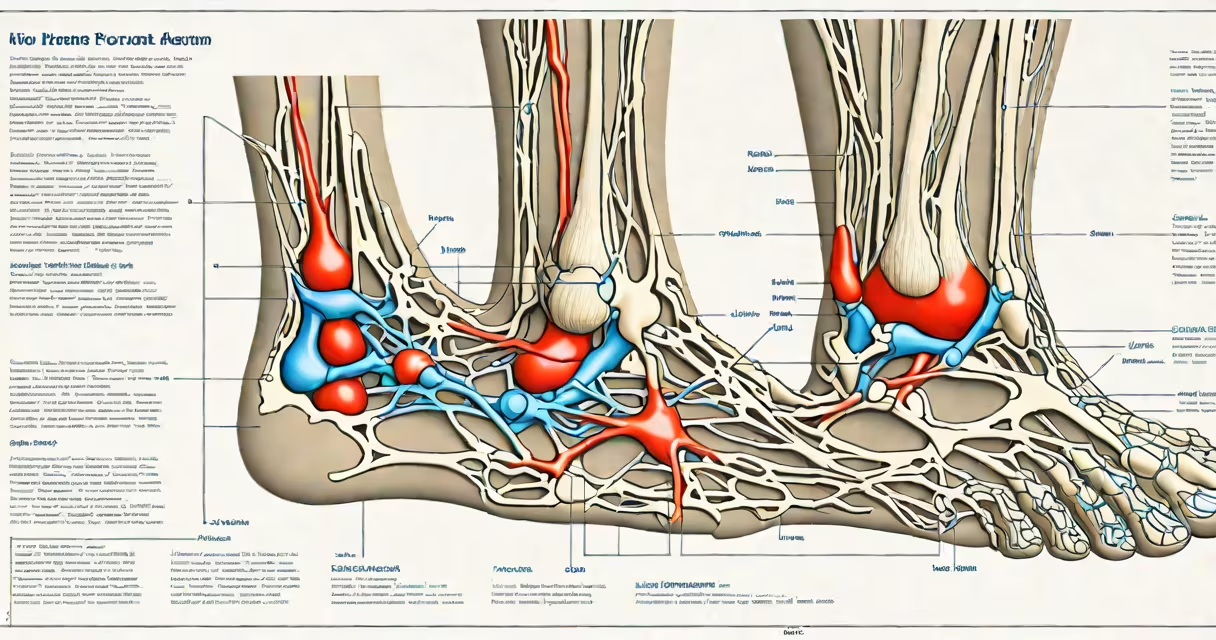
Pain on the bottom outside of your foot typically indicates inflammation or injury to structures along the outer edge of your foot's arch. This area contains tendons, ligaments, and a portion of the plantar fascia that connects your heel bone to your toes.
The most frequent culprits for this type of foot pain are:
Location provides key clues about the underlying issue:
| Pain Location | Likely Cause |
|---|---|
| Outer arch near the ball of foot | Lateral plantar nerve entrapment |
| Outer edge near the little toe | Peroneal tendonitis |
| Diffuse outer arch pain | Plantar fasciitis extension |
| Localized tenderness on outer arch | Stress fracture |
Most cases respond well to conservative treatments:
Rest, ice, compression, and elevation (RICE method) typically provide relief within 2-4 weeks. Over-the-counter NSAIDs can reduce inflammation. Custom orthotics often help prevent recurrence by redistributing pressure points.
A physical therapist can recommend specific stretching exercises to relieve tension in the plantar fascia and surrounding muscles. For persistent cases, diagnostic imaging like MRI or ultrasound may be needed to identify structural damage.
Consult a healthcare professional if:
For persistent outer foot pain, a podiatrist can perform a thorough examination and recommend appropriate treatments. In some cases, corticosteroid injections may provide temporary relief, though they're generally used sparingly due to potential side effects.
To minimize risk of developing this type of foot pain:
If you experience pain under your foot as well, you may have a more generalized foot condition affecting multiple areas. Learn more about pain under the foot and its causes.