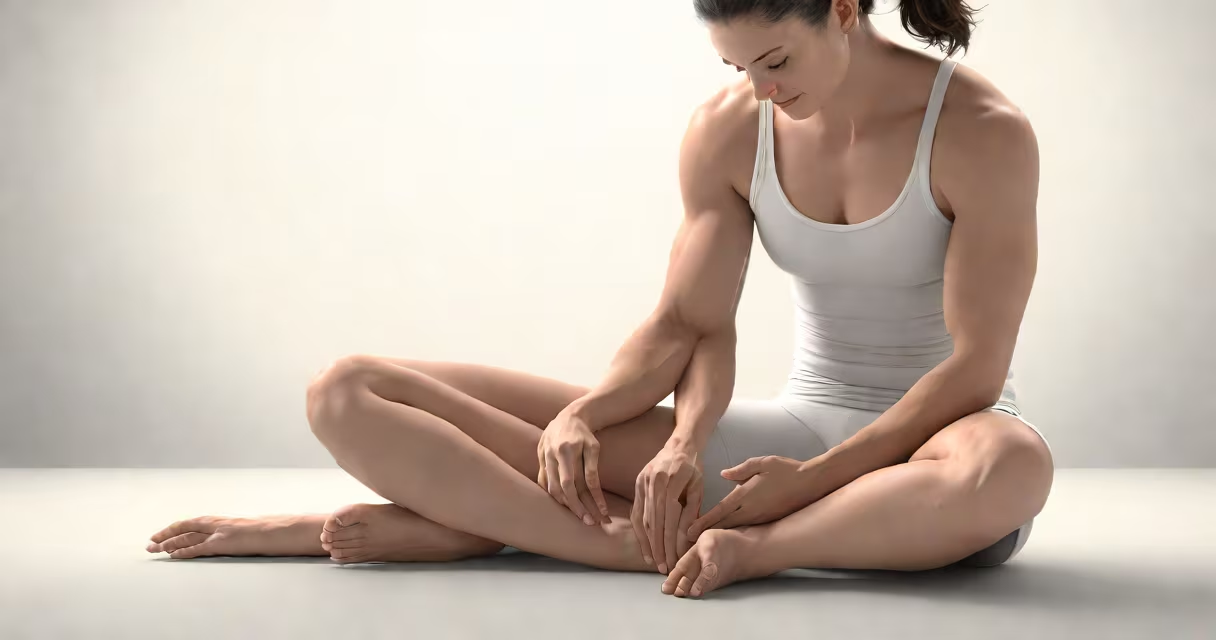
Paired muscle relaxation is a stress-relief technique that involves tensing and then relaxing specific muscle groups in sequence. It helps reduce physical tension and mental stress by creating awareness of muscle differences between tension and relaxation.
The technique operates on the mind-body connection. By intentionally tensing a muscle group, you create resistance that makes the subsequent relaxation more noticeable. This heightened awareness helps train the body to recognize and release tension more effectively.
For example, you might tense your shoulders while consciously relaxing your arms. The contrast between tension and relaxation helps the brain understand what true relaxation feels like, making it easier to replicate this state in daily life.
There are several variations of paired muscle relaxation, but most follow a structured approach:
Each variation can be adapted based on individual needs, such as focusing on areas prone to tension due to stress or poor posture.
Paired muscle relaxation is commonly used in therapeutic settings to manage anxiety, insomnia, and chronic pain. It's also employed in mindfulness and meditation practices to improve body awareness and promote relaxation.
A study published in the journal Behavior Research and Therapy found that paired muscle relaxation techniques reduced symptoms of generalized anxiety disorder in participants. The technique's simplicity makes it accessible for people of all ages and fitness levels.
Many people confuse paired muscle relaxation with progressive muscle relaxation, assuming they are the same. While both techniques involve tensing and relaxing muscles, paired muscle relaxation specifically pairs opposing muscle groups, whereas progressive muscle relaxation typically follows a sequential order.
Another misconception is that the technique requires significant physical strength. In reality, the tension applied should be mild to moderate-just enough to feel the difference when relaxing the muscle.
I've used paired muscle relaxation with clients who struggle with tension headaches. By guiding them to tense their forehead while relaxing their scalp, they often report immediate relief. The key is consistency; regular practice yields the best results.
To begin, find a quiet space where you can sit or lie down comfortably. Start with a simple pair, such as tensing your fists while relaxing your forearms. Hold the tension for 5-10 seconds, then release and notice the difference. Repeat this process with different muscle groups, moving slowly through your body.
For a more structured approach, consider using guided audio sessions or apps designed for muscle relaxation techniques. These resources often provide step-by-step instructions and timing cues to improve the experience.
Paired muscle relaxation is a useful tool for managing stress and improving well-being. By incorporating this technique into your routine, you can develop a greater awareness of your body's tension patterns and learn to release stress more effectively.