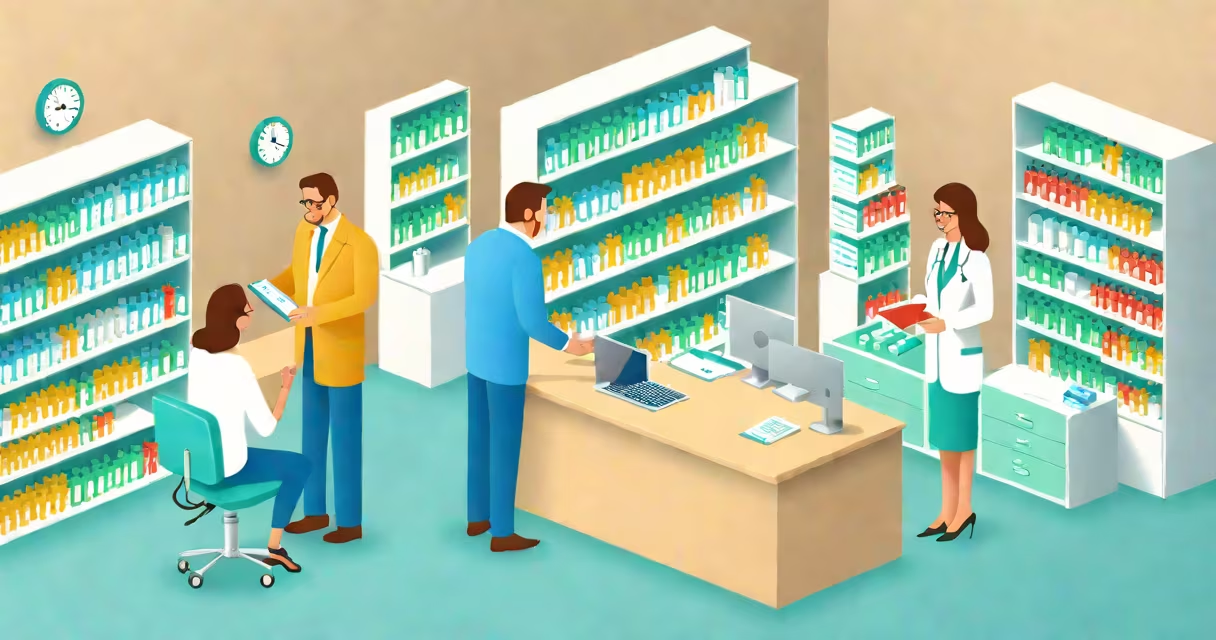
Pharmacy first service is a healthcare model where pharmacists provide initial, direct care for minor ailments and chronic condition management, often bypassing the need for a doctor visit. This approach leverages the pharmacist's clinical expertise to offer timely, accessible care.
Pharmacists assess symptoms, recommend treatments, and monitor patient progress. For example, a patient with a sore throat might receive a throat swab test and antibiotics directly from the pharmacist, avoiding an urgent care clinic. This model is supported by state laws and insurance policies that recognize pharmacists as primary care providers for specific conditions.
| Service Type | Description | Example |
|---|---|---|
| Minor Ailment Care | Treatment for common, non-life-threatening conditions | Allergies, cold sores, urinary tract infections |
| Chronic Condition Management | Ongoing support for long-term health issues | Diabetes, hypertension, asthma |
| Vaccinations and Immunizations | Administering vaccines to prevent diseases | Flu shots, COVID-19 vaccines, travel vaccines |
Pharmacy first service is widely adopted in community pharmacies, retail clinics, and hospital outpatient pharmacies. It addresses healthcare access barriers by offering convenient, cost-effective care. According to the Centers for Disease Control and Prevention (CDC), pharmacists can reduce the burden on primary care physicians, especially in underserved areas.
A common misconception is that pharmacy first service replaces primary care. However, it complements traditional healthcare by handling routine issues, allowing doctors to focus on complex cases. For instance, a study published in the Journal of the American Pharmacists Association found that pharmacist-led interventions reduced emergency room visits by 20% for patients with minor ailments.
Traditional healthcare often requires scheduling appointments weeks in advance, whereas pharmacy first service provides immediate care. For example, a patient with a sinus infection can receive a prescription from a pharmacist the same day, whereas a doctor's appointment might take days or weeks.
In my experience working with a local pharmacy, implementing pharmacy first service allowed us to treat 30% more patients daily for minor conditions. Patients appreciated the convenience and quick access to care, particularly for conditions like strep throat or seasonal allergies. This model reduced the workload on nearby urgent care centers.
Pharmacy first service is a proactive approach to healthcare that enhances accessibility and efficiency. By using pharmacists' clinical skills, this model offers immediate care for minor ailments and chronic conditions, reducing the strain on primary care systems. As healthcare evolves, pharmacy first service will continue to play a important role in improving patient outcomes.