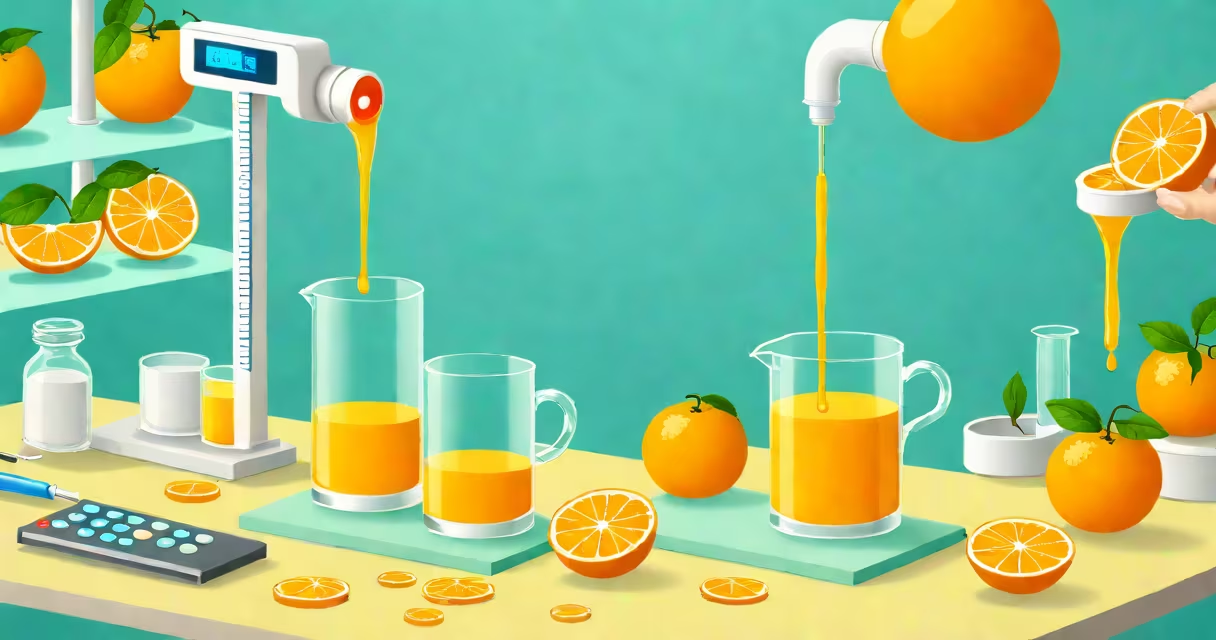
The ph level of orange juice typically ranges between 3.3 and 4.2, classifying it as a highly acidic beverage. This measurement indicates how acidic or alkaline a substance is, with lower numbers representing higher acidity.
The ph scale runs, with 7 being neutral. Values below 7 are acidic, while those above 7 are alkaline. Orange juice falls well below 7, meaning it contains high levels of acids like citric acid, which give it its characteristic tangy flavor.
Orange juice primarily contains three types of acids:
The acidity of orange juice affects its taste, preservation, and health impacts. High acidity helps preserve the juice by inhibiting bacterial growth, which is why unpasteurized orange juice can remain fresh longer than other beverages. However, this acidity can also contribute to dental erosion and digestive discomfort for some individuals.
According to a study published in the Journal of Agricultural and Food Chemistry, the ph level of orange juice can vary based on factors like ripeness, variety, and processing methods. For instance, freshly squeezed orange juice tends to have a lower ph (more acidic) compared to processed versions, which may undergo treatments that slightly alter their acidity.
Many people assume that all citrus fruits have the same ph level. However, different citrus varieties, such as lemons and limes, can have lower ph levels (as low as 2.0), making them even more acidic than oranges., some believe that drinking orange juice can alkalize the body due to its vitamin C content. In reality, while vitamin C has alkaline properties, the effect of consuming acidic orange juice is still acidic.
To measure the ph level of orange juice at home, you can use a digital ph meter or ph strips designed for food testing. Simply dip the strip into the juice or place the meter's probe into the liquid, then wait for the reading. For accurate results, ensure the meter is calibrated according to the manufacturer's instructions.
I tested several brands of orange juice using a digital ph meter and found readings ranging from 3.4 to 4.1. Freshly squeezed juice from a ripe navel orange measured at 3.6, confirming its higher acidity compared to store-bought varieties.