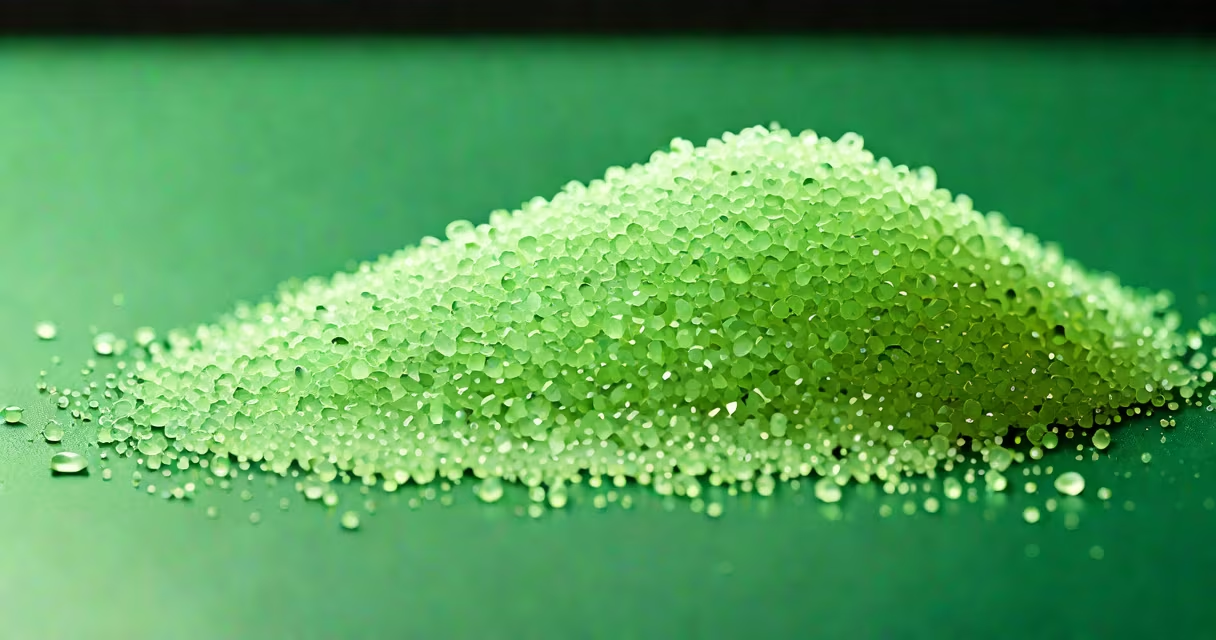
Potassium iodide sodium chloride is a chemical compound formed by combining potassium iodide (KI) and sodium chloride (NaCl), creating a mixture of two essential salts. This blend leverages the properties of both components for specific applications.
When potassium iodide and sodium chloride are mixed in solution, they undergo a double displacement reaction. The potassium (K⁺) and sodium (Na⁺) ions swap places with the iodide (I⁻) and chloride (Cl⁻) ions, forming a new compound. The resulting mixture retains the properties of both original salts but in a combined form.
The compound is primarily used in medical and industrial settings. In medicine, it serves as a dietary supplement to provide both iodine and chloride, essential for thyroid function and health. Industrially, it's used in various chemical processes where both elements are required.
Many confuse potassium iodide sodium chloride with simple table salt (NaCl). While both contain chloride, potassium iodide sodium chloride includes additional iodide, which is important for thyroid health. Table salt lacks this iodine component, making the compound distinct in its nutritional benefits.
In emergency situations, such as nuclear incidents, potassium iodide is administered to prevent radioactive iodine from being absorbed by the thyroid gland. When combined with sodium chloride, it can be more easily dissolved in water for quick administration. This application highlights the compound's critical role in public health safety measures.