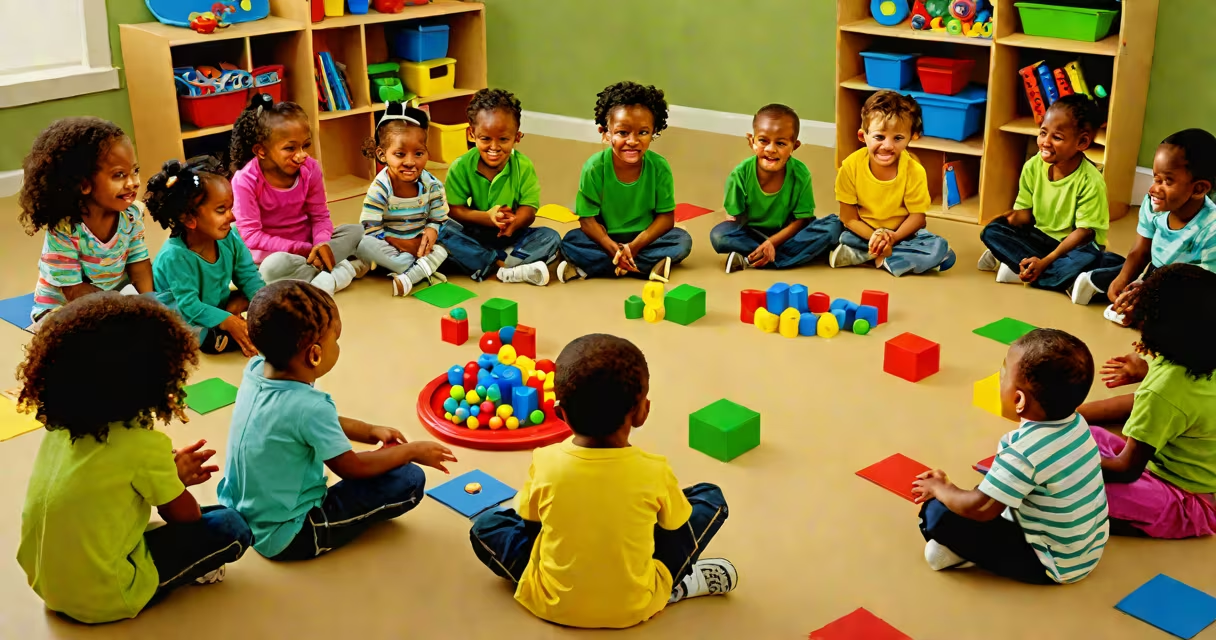
Pre K 4 age refers to children who turn four years old during the school year, typically entering programs designed for this developmental stage. These programs bridge early childhood education and formal schooling, focusing on social, emotional, and academic readiness.
Pre-K 4 programs operate similarly to other preschool classes but with adjusted curricula for four-year-olds' developmental milestones. Most follow a structured schedule blending play-based learning and guided activities. For example, a typical day might include circle time, storytelling, arts and crafts, outdoor play, and small-group instruction.
| Program Type | Key Features | Duration |
|---|---|---|
| Public Pre-K | Funded by local/state governments, often free or low-cost | School-year (9 months) |
| Private Preschool | Tuition-based, may offer specialized curricula | Year-round options available |
| Head Start | Federal program for low-income families, includes health services | School-year (some offer summer programs) |
Research shows that high-quality pre-K programs improve school readiness. A study by the National Institute for Early Education Research found that children who attend pre-K demonstrate stronger literacy, math, and social skills upon entering kindergarten. These programs also help identify and address developmental delays early.
Another misconception is that pre-K 4 is primarily about academics. While literacy and math skills are important, programs also emphasize social-emotional learning. For instance, children learn to share, take turns, and express emotions appropriately through structured activities and peer interactions.
To understand how these programs work, consider a typical morning in a pre-K 4 classroom. Children begin with circle time, where they practice greetings, discuss the weather, and review the day's schedule. Next, they might participate in a guided reading activity, followed by center time where they choose between art, blocks, or sensory tables. Outdoor play provides opportunities for gross motor skill development, while small-group instruction targets specific academic skills.
I observed one such classroom where teachers used a "math walk" activity. Children counted steps as they walked around the room, then sorted objects by color and shape. This hands-on approach made abstract concepts tangible for four-year-olds.
Pre-K 4 programs play a important role in preparing children for kindergarten. They help develop foundational skills in areas like:
Programs also introduce children to structured environments, helping them adapt to longer attention spans and more formal routines required in kindergarten.
When selecting a pre-K 4 program, look for:
Visit potential programs and observe classrooms in action. Notice how teachers interact with children and whether the environment feels nurturing and stimulating.
The pre-K 4 year represents a critical period in early childhood development. High-quality programs provide the foundation for lifelong learning, helping children develop essential academic, social, and emotional skills. As education systems increasingly recognize the importance of this stage, more families are choosing pre-K 4 programs to give their children the best possible start in school.