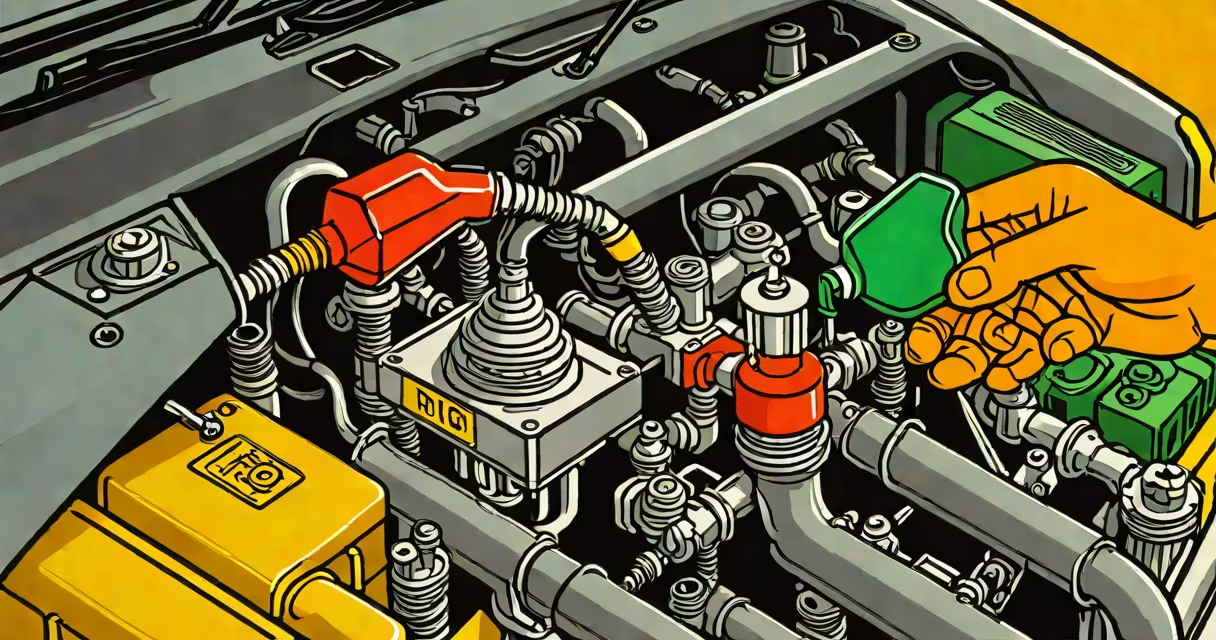
A pro power oil checker is an electronic oil level sensor that replaces traditional dipsticks in vehicles. These systems continuously monitor engine oil levels and send alerts when levels fall below safe thresholds.
These devices use capacitive or ultrasonic sensors to measure oil levels. The sensor sends electrical signals to the vehicle's computer, which calculates the oil level based on the signal's characteristics. When oil levels drop too low, the system triggers a dashboard warning light.
Unlike mechanical dipsticks, which require manual checks, pro power oil checkers provide real-time monitoring. This allows drivers to address low oil levels immediately, preventing potential engine damage.
| Type | Measurement Method | Installation Location |
|---|---|---|
| Capacitive Sensor | Measures changes in electrical capacitance between two plates immersed in oil | Mounted in the oil pan or oil reservoir |
| Ultrasonic Sensor | Uses sound waves to measure distance to oil surface | Installed above the oil level in the engine |
Pro power oil checkers are found in modern vehicles, industrial machinery, and high-performance engines. They're particularly valuable in environments where regular manual checks are impractical, such as commercial fleets or remote equipment.
Many people assume these systems only detect low oil levels. However, advanced versions also monitor oil quality, temperature, and contamination. Some can even predict when oil changes are needed based on usage patterns.
Another common myth is that these sensors replace all maintenance needs. While they provide valuable data, they don't eliminate the need for periodic oil changes and filter replacements.
As automotive technology advances, oil level sensors are becoming more sophisticated. Future versions may integrate with predictive maintenance systems, automatically scheduling service appointments when oil conditions deteriorate.
Some researchers are developing sensors that can detect specific contaminants in engine oil, providing early warnings about potential engine problems before they become critical.