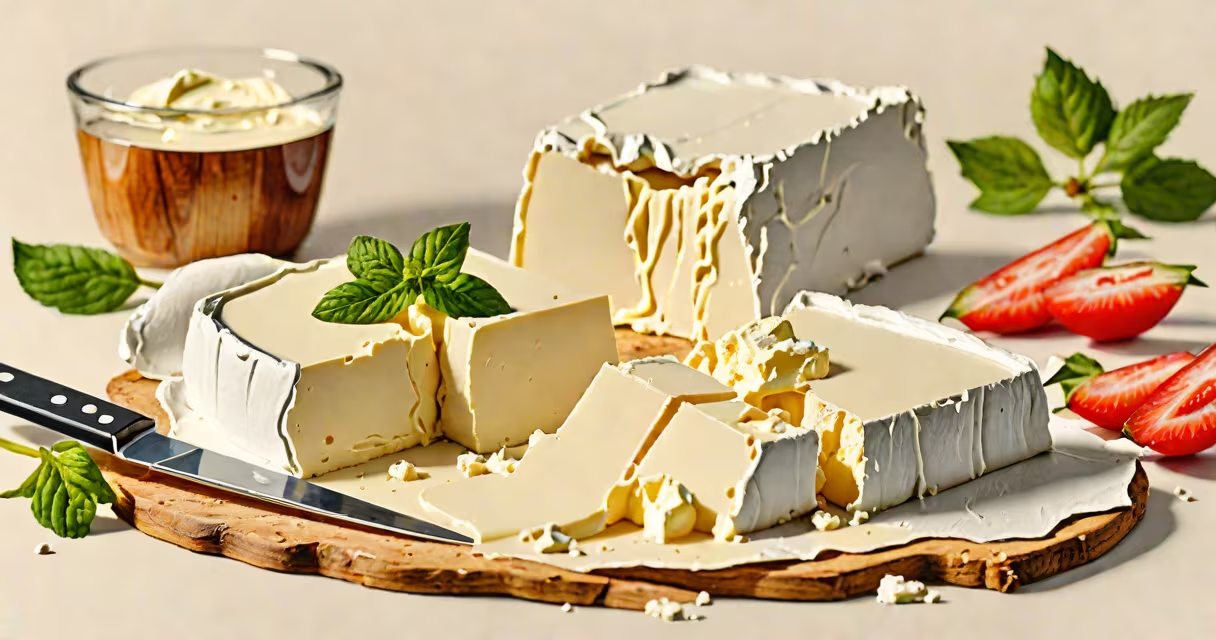
A block of cream cheese contains about 2 grams of protein per ounce (28g). This low-protein, high-fat cheese is made from cow's milk and has a soft, spreadable texture.
Cream cheese is produced by curdling milk with lactic acid bacteria and rennet, then draining the whey. Unlike other cheeses, it's not aged, which keeps its moisture content high. The U.S. Food and Drug Administration (FDA) requires cream cheese to contain at least 33% milk fat and no more than 55% moisture.
| Type | Protein (per oz) | Fat (per oz) |
|---|---|---|
| Regular cream cheese | 2g | 5g |
| Low-fat cream cheese | 2.5g | 2.5g |
| Whole-milk cream cheese | 2g | 6g |
Protein contributes to satiety and muscle repair, but cream cheese isn't a significant protein source. Its primary appeal lies in its creamy texture and mild flavor, making it versatile for both sweet and savory dishes. For higher-protein options, consider cottage cheese or ricotta, which offer 5-7 grams of protein per ounce.
Many assume cream cheese is high in protein due to its dairy origin, but its production process removes much of the protein-rich whey., while it's often grouped with other soft cheeses, its texture and fat content differ from cheeses like Brie or Camembert.
I once tested cream cheese in a high-protein diet plan and found it unsatisfying for meals, despite its versatility. It worked better as a condiment or ingredient rather than a primary protein source.
Cream cheese is popular in cheesecakes, bagels, and dips. Its low melting point makes it ideal for spreading but unsuitable for cooking at high temperatures. For recipes requiring heat, consider higher-melting cheeses like cheddar or Swiss.