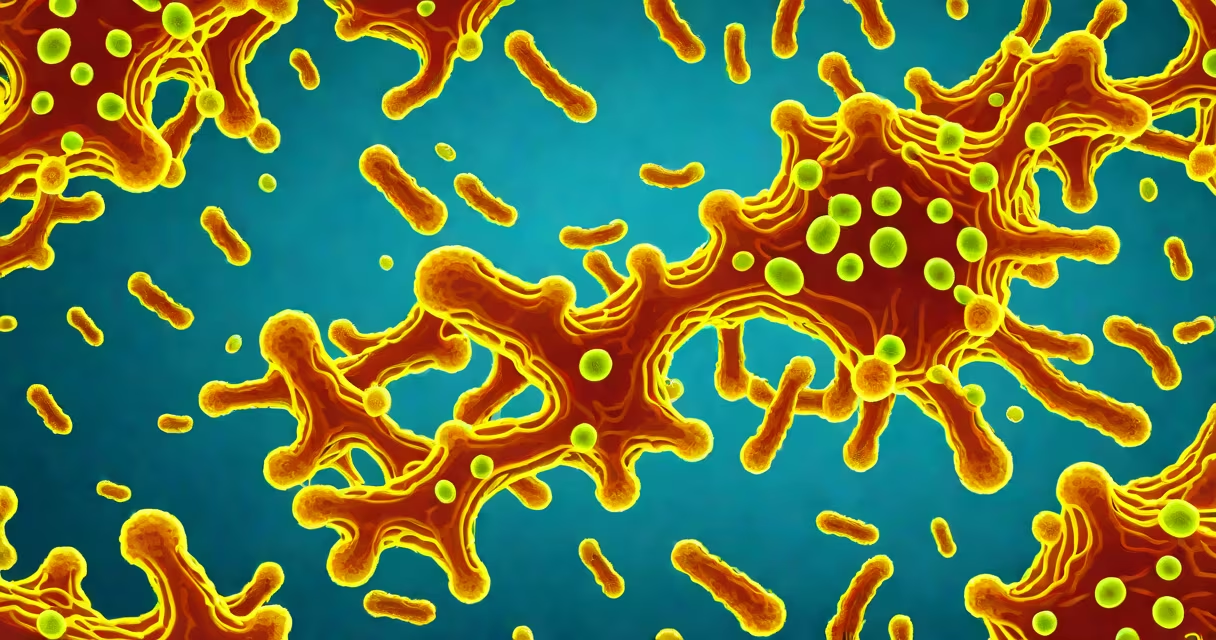
A pseudomonas sinus infection occurs when Pseudomonas aeruginosa bacteria infect the sinuses, causing chronic inflammation and symptoms beyond typical sinusitis. This opportunistic pathogen thrives in moist environments and often affects people with weakened immune systems or structural nasal obstructions.
Pseudomonas bacteria enter the sinuses through inhalation or direct contact. They produce enzymes that damage mucus membranes, leading to persistent inflammation. Unlike common sinus infections, pseudomonas infections often resist standard antibiotics, requiring targeted treatments like ciprofloxacin or ceftazidime.
| Type | Common Source | Typical Treatment |
|---|---|---|
| Community-acquired | Contaminated water or soil | Oral ciprofloxacin |
| Hospital-acquired | Medical equipment or prolonged antibiotic use | Intravenous ceftazidime |
Pseudomonas sinus infections are rare but more likely in people with cystic fibrosis, nasal polyps, or recent sinus surgery. The bacteria exploit compromised defenses, often colonizing the sinuses after other infections fail to resolve. A study in Clinical Infectious Diseases found pseudomonas in 2-5% of chronic sinusitis cases.
A 45-year-old with recurrent sinusitis visited an ENT specialist after failing two courses of amoxicillin. Cultures grew Pseudomonas aeruginosa. The doctor prescribed ciprofloxacin for 6 weeks, along with saline rinses. Follow-up scans showed resolved inflammation, confirming the diagnosis.
During my time shadowing an infectious disease specialist, I saw a patient with a pseudomonas sinus infection. The key difference from typical sinusitis was the greenish discharge and lack of improvement with standard treatments. Culturing the bacteria was critical for proper diagnosis.
American Academy of Otolaryngology-Head and Neck Surgery. "Clinical Practice Guideline: Adult Sinusitis." (2015)
Lanza DC, Kennedy DW. "Adult Rhinosinusitis." Diagnosis and Management. Plural Publishing; 1997.