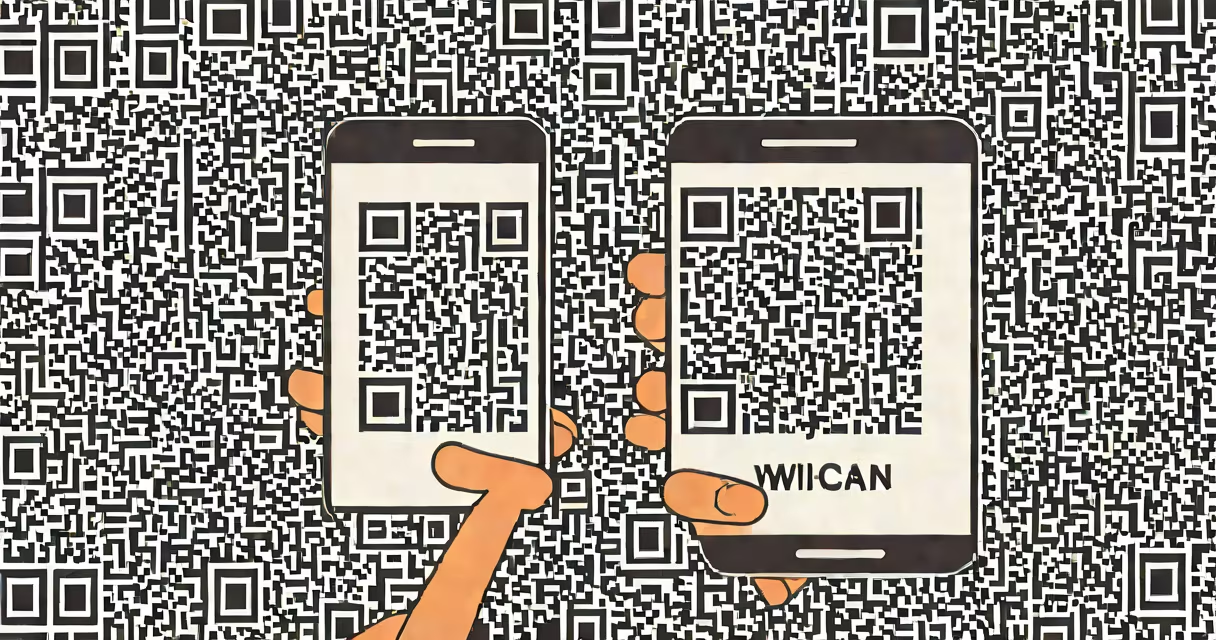
QR code AI uses artificial intelligence to generate, manage, and analyze QR codes that adapt to context, user behavior, or real-time data. Unlike static QR codes, these smart codes use machine learning to improve functionality, security, and user engagement.
AI-powered QR code systems integrate machine learning algorithms to process data and make decisions about code content. For example, a retail store might use QR code AI to generate discount codes that change based on inventory levels or customer purchase history. The system analyzes data inputs, applies predefined rules, and outputs a unique QR code for each scenario.
Some implementations use computer vision to scan and interpret traditional QR codes, then apply AI to extract additional insights. For example, an AI system might analyze QR code usage patterns to predict peak scanning times or identify geographic hotspots for marketing campaigns.
| Type | Key Features | Common Use Cases |
|---|---|---|
| Changing QR Codes | Content changes based on time, location, or user behavior | Marketing campaigns, event management |
| Personalized QR Codes | Custom content for individual users | Loyalty programs, targeted advertising |
| AI-Generated QR Codes | Machine learning creates optimal code patterns | High-density data storage applications |
Businesses across industries use QR code AI to improve efficiency and customer experiences. In retail, changing QR codes on product packaging might link to different promotions based on the time of year. Event organizers use personalized QR codes for check-in and to provide attendees with customized schedules.
One non-obvious application is in manufacturing, where AI-powered QR codes track components through assembly lines. Each code contains production data, and the AI system updates information in real-time as parts move between stations. This improves quality control and reduces errors.
Many people assume all AI-generated QR codes are changing, but static AI-generated codes exist too. These use machine learning to create optimal QR code patterns that store more data efficiently than human-designed codes. For example, researchers at MIT developed an algorithm that creates QR codes with 30% more capacity than standard designs.
Another misconception is that QR code AI only benefits large businesses. Small businesses use affordable desktop QR code readers combined with basic AI analytics to track customer engagement with minimal setup costs.
A restaurant chain implemented AI-powered QR codes on tables that changed menu offerings based on time of day and inventory levels. During lunch, the codes linked to lighter fare, while dinner codes showed more substantial options. The system also adjusted for allergens, automatically removing dishes containing common allergens if a customer had previously indicated sensitivities.
This implementation increased order accuracy by 15% and reduced food waste by 20% through better inventory management. The AI system learned from customer preferences over time, further refining menu suggestions.
Traditional QR codes contain static information printed at creation. In contrast, AI-powered QR codes can:
For example, a museum might use traditional QR codes to provide static information about exhibits. With QR code AI, the same codes could offer personalized tours based on visitor interests, track foot traffic to improve staffing, and even suggest related exhibits based on how long visitors spend at each display.
As AI continues to evolve, we'll see more sophisticated applications of QR code technology. Researchers are exploring how to combine QR codes with natural language processing for voice-activated interactions. Others are developing systems that use QR codes for secure authentication in physical spaces, replacing traditional keycards.
While some worry about privacy implications, proper implementation with clear consent mechanisms can mitigate risks. As with any technology, responsible use and continuous innovation will determine the long-term impact of QR code AI.