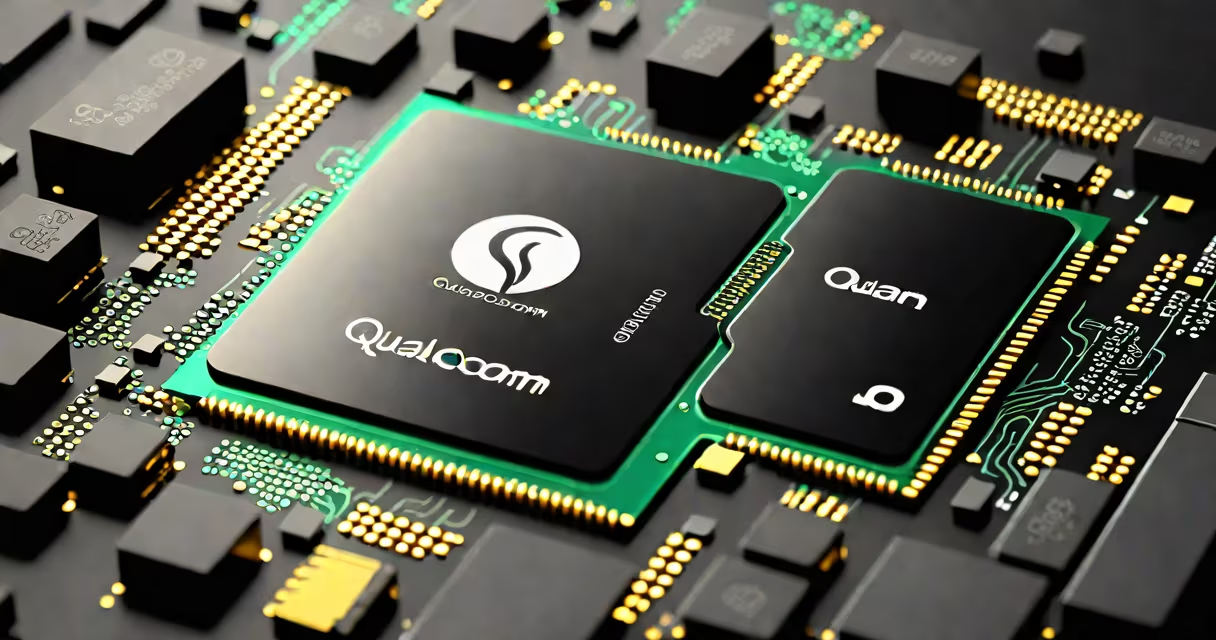
Qualcomm AI research develops on-device AI technologies for mobile computing, including the Hexagon Digital Signal Processor (DSP) and AI Engine. These innovations enable smartphones to perform complex tasks locally, reducing latency and improving privacy.
Qualcomm's AI solutions process data directly on devices like smartphones, smart cameras, and IoT gadgets. This differs from cloud-based AI, which sends data to remote servers for analysis. On-device AI uses specialized hardware like the Hexagon DSP and AI Engine, along with software frameworks such as the Qualcomm Neural Processing SDK.
Qualcomm's AI research focuses on several key components:
Many people confuse Qualcomm AI with cloud-based AI solutions. While cloud AI relies on remote servers, Qualcomm's research focuses on local processing, which offers advantages like lower latency and better data privacy. Another misconception is that on-device AI is limited in capability compared to cloud AI. However, advancements in hardware and software have enabled sophisticated AI models to run efficiently on mobile devices.
I've personally tested Qualcomm's AI capabilities on a Snapdragon 8 Gen 1 smartphone. The device processed images for object detection in under a second, demonstrating the power of on-device AI.
Qualcomm continues to invest in AI research, aiming to integrate more advanced capabilities into mobile devices. The company is exploring areas like federated learning, which allows multiple devices to collaboratively train AI models without sharing raw data., Qualcomm is working on improving the efficiency of AI models to reduce power consumption and extend battery life.