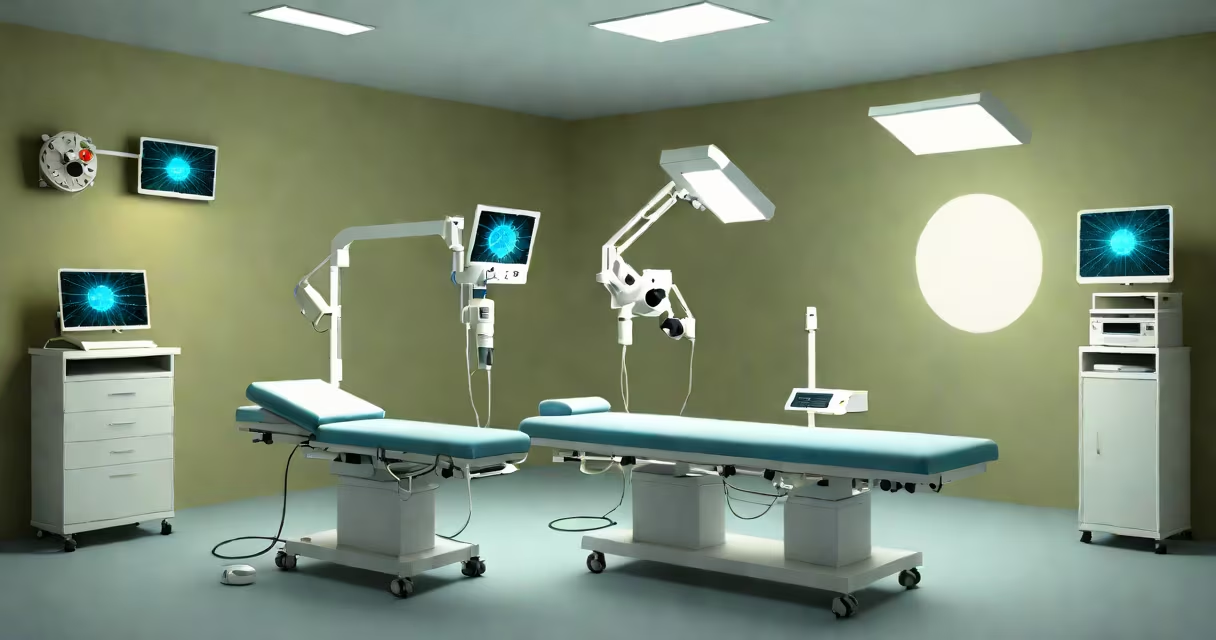
Radiation therapist prerequisites are the educational, technical, and interpersonal qualifications needed to enter this specialized healthcare role. These professionals operate linear accelerators and other advanced equipment to deliver radiation treatments to cancer patients.
Most radiation therapists complete a two-year associate degree program or a four-year bachelor's degree in radiation therapy. These programs combine classroom learning with clinical rotations. The Joint Review Committee on Education in Radiologic Technology accredits about 80 programs nationwide.
Coursework includes anatomy, physics, radiation biology, and patient care. Clinical training accounts for roughly half of the program, with students working under licensed therapists in hospitals or treatment centers. Some programs require applicants to have completed prerequisite courses in math, science, and communications.
Radiation therapists must master several technical skills:
Many programs include certification preparation for the American Registry of Radiologic Technologists (ARRT) exam, which requires passing scores in radiation therapy, anatomy, and patient care.
Successful radiation therapists demonstrate:
According to the U.S. Bureau of Labor Statistics, employment for radiation therapists is projected to grow 9%, about as fast as the average for all occupations. The median annual wage was $86,850 in May 2021.
Most states require radiation therapists to be licensed, typically involving graduation from an accredited program and passing the ARRT exam. Some states may have additional requirements, such as continuing education credits.
Certification through ARRT is voluntary but highly recommended. Certified therapists demonstrate competence and may have better job prospects. Specialty certifications exist in areas like pediatric oncology or stereotactic radiosurgery.
Radiation therapists work primarily in hospitals, cancer treatment centers, and outpatient clinics. They spend much of their time on their feet, positioning patients and operating equipment. Protective gear is worn during treatments to minimize radiation exposure.
Most radiation therapists work full-time schedules, including evenings and weekends to accommodate patient needs. The work can be emotionally demanding due to the serious nature of cancer treatments.
For those interested in patient care roles within occupational therapy, explore what occupational therapists do to compare career paths.