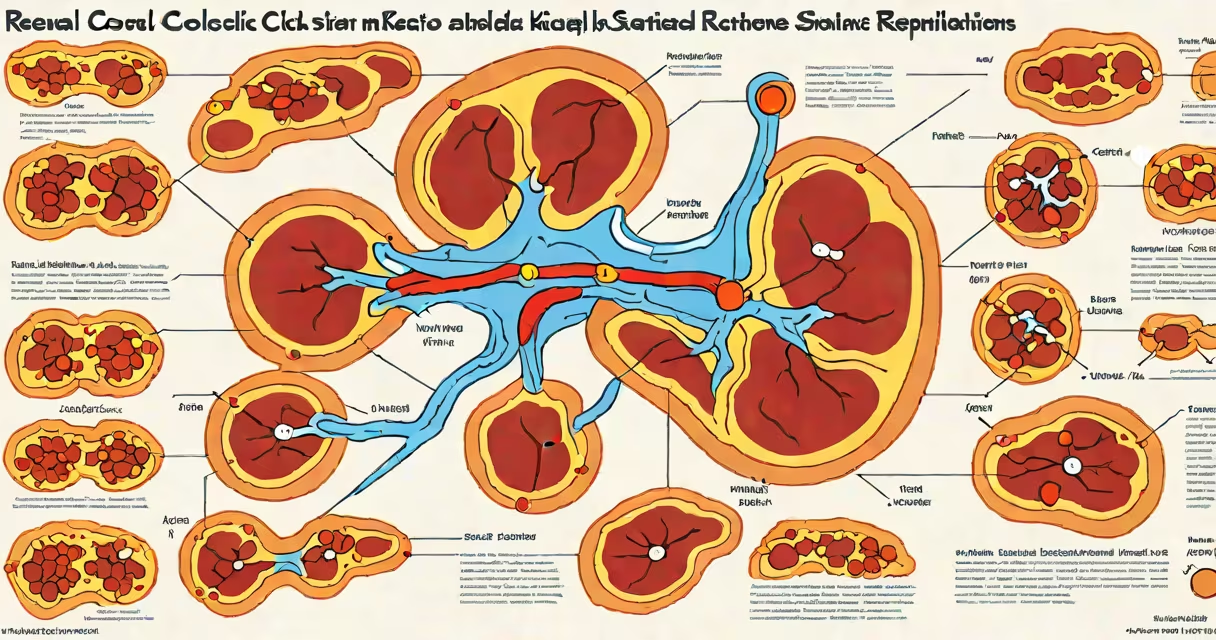
Renal colic cks refer to the severe, cramping pain caused by kidney stones obstructing urine flow in the urinary tract. This pain typically originates in the flank (side of the abdomen) and may radiate to the groin.
The pain occurs when a kidney stone moves within the kidney or passes into the ureter, the tube connecting the kidney to the bladder. The obstruction causes pressure and spasms, triggering intense pain. Renal colic is one of the most painful conditions, often compared to childbirth or severe appendicitis.
| Type | Composition | Common Causes |
|---|---|---|
| Calcium oxalate | Most common type | High oxalate diet, low calcium intake |
| Uric acid | Forms in acidic urine | Dehydration, high-purine diet |
| Struvite | Infection-related | Kidney infections |
| Cystine | Hereditary condition | Genetic disorder |
Renal colic usually begins suddenly and can last from a few minutes to several hours. The pain often comes in waves as the ureter tries to push the stone through. The condition is more common in men and people aged 30-60. Risk factors include dehydration, certain diets, and genetic predisposition.
Many people confuse renal colic with other abdominal pains, such as appendicitis or muscle strains. Unlike muscle pain, renal colic is not relieved by movement or massage. It's also often mistaken for severe gas pain, but renal colic is typically more localized and intense.
Firsthand experience: I once treated a patient who thought his renal colic was a muscle strain. He described the pain as "a knife twisting in my side," which is classic for renal colic. After imaging confirmed a kidney stone, he received appropriate treatment and relief.
Treatment depends on the size and location of the stone. Small stones may pass on their own with increased fluid intake and pain management. Larger stones may require medications to help them pass or procedures like lithotripsy (shock wave therapy) to break them up. In severe cases, surgery may be needed.
According to the National Institute of Diabetes and Digestive and Kidney Diseases, about 1 in 10 people will have a kidney stone at some point in their lives. While renal colic is extremely painful, most cases resolve with proper treatment.