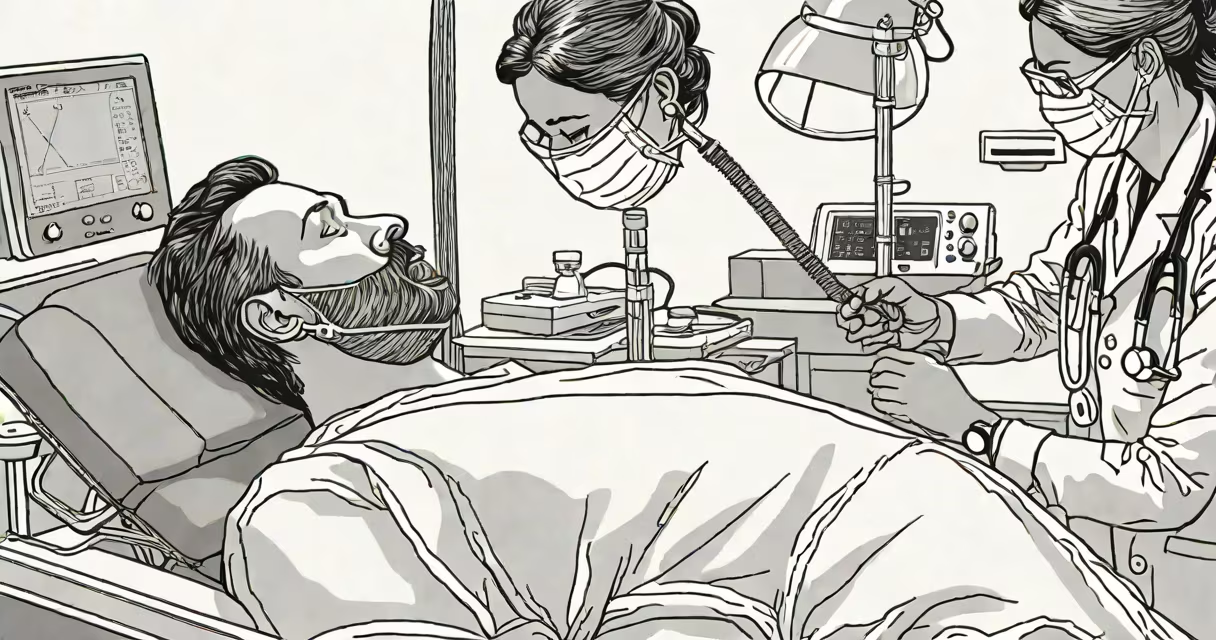
Respiratory therapy programs prepare students to assess, treat, and care for patients with breathing disorders or cardiovascular problems. These programs combine classroom learning with clinical rotations to provide hands-on experience.
Most programs follow a structured curriculum that includes courses in anatomy, physiology, pharmacology, and patient assessment. Students also learn to operate medical equipment like ventilators and oxygen delivery systems. Clinical rotations in hospitals, clinics, or long-term care facilities make up a significant portion of the program, allowing students to apply their knowledge under supervision.
| Program Type | Duration | Degree Awarded |
|---|---|---|
| Associate Degree in Respiratory Therapy | 2 years | Associate of Science (AS) or Associate of Applied Science (AAS) |
| Bachelor's Degree in Respiratory Therapy | 4 years | Bachelor of Science (BS) |
| Accelerated or Bridge Programs | 1-2 years | Varies (often a BS completion program) |
Graduates of respiratory therapy programs work in various settings, including hospitals, nursing homes, home healthcare services, and sleep disorder clinics. The demand for respiratory therapists is growing due to an aging population and increased prevalence of respiratory conditions like COPD and asthma. According to the U.S. Bureau of Labor Statistics, employment for respiratory therapists is projected to grow 14%, faster than the average for all occupations.
One common misconception is that respiratory therapy is limited to working with ventilators. While ventilator management is a key skill, respiratory therapists also perform diagnostic tests, administer medications, and educate patients on managing chronic conditions. Another misunderstanding is that the field is only for those interested in acute care. Respiratory therapists also work in rehabilitation, home care, and sleep medicine.
For instance, a student enrolled in an associate degree program at a community college would complete coursework in respiratory physiology, mechanical ventilation, and cardiopulmonary resuscitation (CPR). After earning their degree, they'd sit for the Certified Respiratory Therapist (CRT) exam administered by the National Board for Respiratory Care (NBRC). Once certified, they could work in a hospital's emergency department, assisting with intubation and managing patients with acute respiratory distress syndrome (ARDS).
I observed this firsthand during a clinical rotation at a local hospital. A respiratory therapist demonstrated how to set up and adjust a ventilator for a patient with ARDS. The therapist explained the importance of monitoring oxygen levels and adjusting settings based on the patient's response-a skill that requires both technical knowledge and critical thinking.
Another distinction is between respiratory therapists and respiratory therapy technicians. Technicians typically complete a 2-year program and assist therapists with tasks like administering treatments and maintaining equipment. Therapists, however, have more advanced training and can perform complex procedures like intubations and mechanical ventilation management.