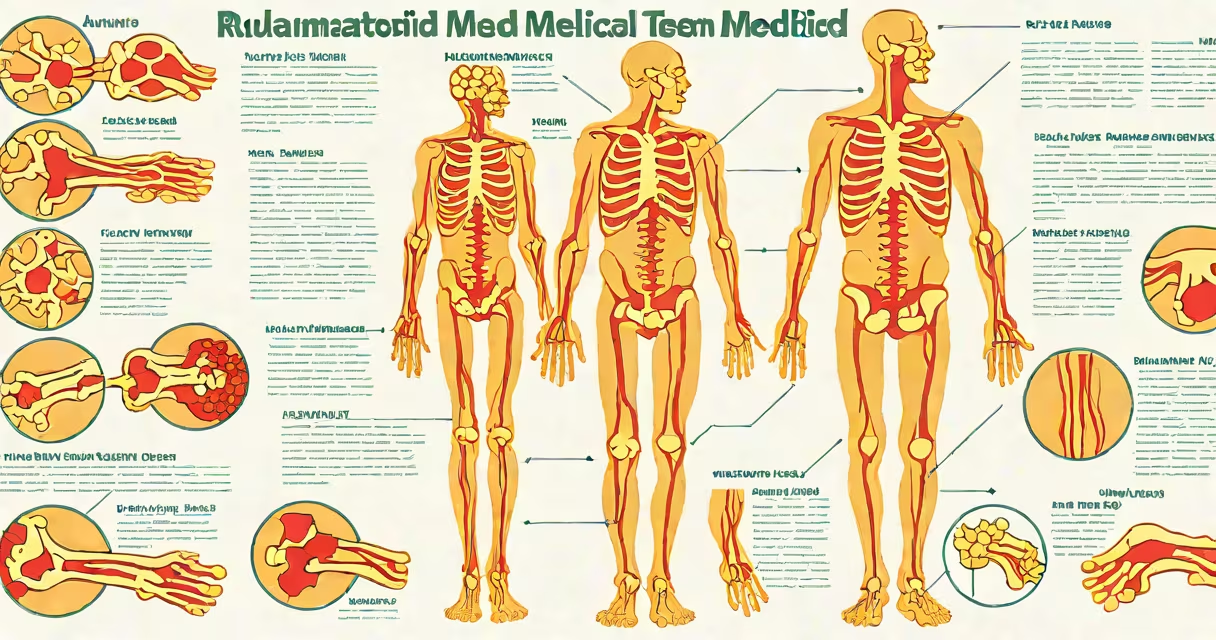
Rheumatoid arthritis is a chronic autoimmune disease where the immune system attacks healthy joint tissue, causing painful inflammation, swelling, and eventual joint damage. The term "rheumatoid" originates from the Greek word "rheum," meaning watery discharge, reflecting early observations of joint swelling.
The immune system normally protects the body from infections and diseases. In rheumatoid arthritis, however, the immune system mistakenly attacks the synovium-the lining of the membranes that surround the joints. This causes inflammation, which leads to pain, stiffness, and eventually joint erosion and deformity.
Rheumatoid arthritis is classified into different stages based on severity:
| Stage | Description |
|---|---|
| Early Stage | Symptoms include joint pain, stiffness, and swelling, typically in smaller joints like fingers and toes. |
| Moderate Stage | Inflammation spreads to larger joints, causing more severe pain and mobility issues. |
| Severe Stage | Chronic inflammation leads to significant joint damage, deformity, and disability. |
Symptoms of rheumatoid arthritis often develop gradually and may include persistent joint pain, tenderness, stiffness (especially in the morning), and swelling. Other symptoms can include fatigue, fever, and weight loss. Diagnosis typically involves a combination of physical examinations, blood tests (such as rheumatoid factor and anti-CCP tests), and imaging tests like X-rays or MRIs.
While there is no cure for rheumatoid arthritis, treatments aim to relieve symptoms, prevent joint damage, and improve quality of life. Common treatments include disease-modifying anti-rheumatic drugs (DMARDs), biologic agents, physical therapy, and lifestyle changes such as regular exercise and a balanced diet. Early intervention is important to slow disease progression and maintain joint function.
For example, a patient diagnosed with early-stage rheumatoid arthritis might start with DMARDs like methotrexate to reduce inflammation and slow the disease's progression. Physical therapy can help maintain joint flexibility and strength, while dietary adjustments, such as reducing processed foods and increasing omega-3 fatty acids, may help manage symptoms.
Rheumatoid arthritis is often confused with osteoarthritis, another form of arthritis. Unlike rheumatoid arthritis, which is an autoimmune disease, osteoarthritis is a degenerative condition caused by wear and tear on the joints. While both conditions cause joint pain and stiffness, their underlying mechanisms and treatments differ.