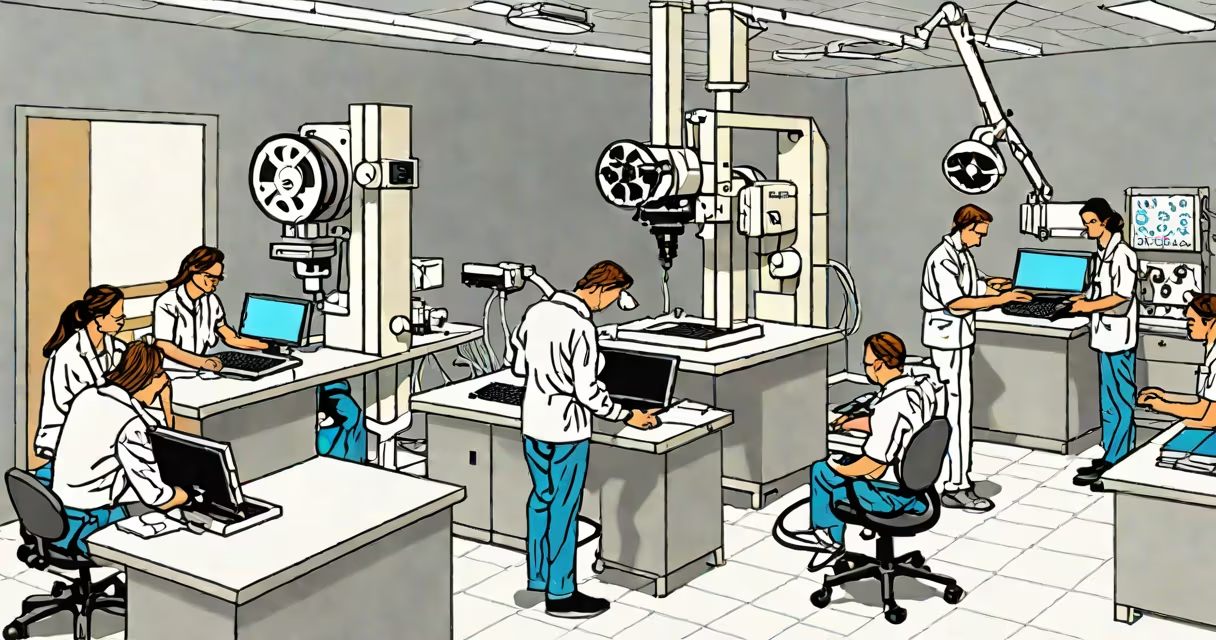
Schooling for a radiology technician usually requires completing a 2-year associate degree program in radiologic technology, which includes coursework in anatomy, patient positioning, and radiation safety along with clinical training.
Most radiology technician programs combine classroom instruction with hands-on clinical experience. Students learn to operate imaging equipment, position patients correctly, and follow strict radiation safety protocols. Programs typically include courses in:
Clinical rotations in hospitals or imaging centers provide practical experience under the supervision of licensed radiologic technologists.
Radiology technician programs are offered at various levels, though most employers prefer candidates with at least an associate degree. The main types include:
| Program Type | Duration | Common Courses |
|---|---|---|
| Certificate Program | 1 year | Basic imaging techniques, radiation safety |
| Associate Degree | 2 years | Anatomy, patient positioning, medical terminology |
| Bachelor's Degree | 4 years | Advanced imaging modalities, healthcare management |
Some institutions offer accelerated programs or online options, though clinical training must be completed in person.
Radiology technicians work in various healthcare settings, including hospitals, diagnostic imaging centers, and physicians' offices. They play a important role in producing high-quality images that aid in diagnosing and treating medical conditions. The demand for skilled radiology technicians continues to grow due to advancements in medical imaging technology and an aging population requiring more diagnostic procedures.
I once observed a radiology technician program's clinical rotation at a local hospital. The students were practicing effective communication with patients, ensuring their comfort and understanding throughout the imaging process. This hands-on experience is invaluable for preparing them for real-world scenarios.
After completing their education, radiology technicians typically pursue certification through the American Registry of Radiologic Technologists (ARRT). Certification demonstrates competence and can improve job prospects. According to the U.S. Bureau of Labor Statistics, employment of radiologic technologists is projected to grow 7%, about as fast as the average for all occupations.