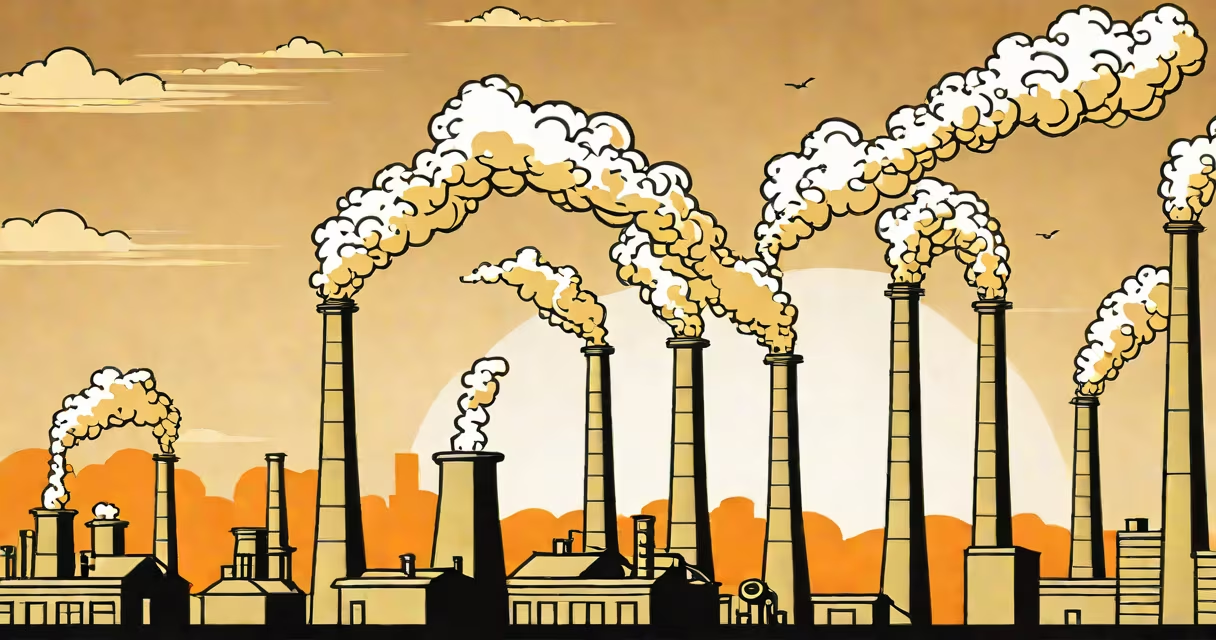
Pollution occurs when harmful substances contaminate the environment, causing adverse effects on ecosystems, human health, or natural resources. These pollutants can be chemical, biological, or physical agents introduced in excessive quantities.
Pollution disrupts natural processes by introducing substances that exceed the environment's capacity to neutralize them. For example, excessive nitrogen and phosphorus in water bodies cause algal blooms that deplete oxygen, creating dead zones where aquatic life cannot survive.
Pollutants enter the environment through natural processes (like volcanic eruptions) or human activities (industrial emissions, agricultural runoff). Once released, they accumulate in air, water, or soil, where they persist for varying lengths of time. Some pollutants, like carbon monoxide, disperse quickly, while others, such as heavy metals, remain for decades.
A key factor in pollution is persistence. Non-degradable pollutants, like plastic microbeads, remain in ecosystems indefinitely, accumulating in food chains and harming wildlife. The U.S. Environmental Protection Agency (EPA) classifies pollutants based on their persistence, toxicity, and potential for bioaccumulation.
The most common pollutants fall into five categories:
| Type | Examples | Primary Sources |
|---|---|---|
| Air Pollutants | Carbon monoxide, sulfur dioxide, particulate matter | Vehicle exhaust, industrial smokestacks |
| Water Pollutants | Nitrates, phosphates, heavy metals | Agricultural runoff, sewage discharge |
| Soil Pollutants | Pesticides, herbicides, petroleum products | Industrial waste, improper disposal |
| Noise Pollution | Traffic noise, construction noise | Urban development, transportation |
| Light Pollution | Artificial lighting, neon signs | City lights, commercial signage |
Each type of pollutant affects the environment differently. For instance, air pollutants like sulfur dioxide react with water vapor to form acid rain, damaging forests and aquatic ecosystems. Similarly, water pollutants like nitrates from fertilizers cause eutrophication, leading to oxygen depletion in lakes and rivers.
Many people assume pollution is solely an industrial problem, but natural sources like wildfires and volcanic eruptions also contribute. However, human activities have increased pollution levels beyond natural thresholds. The World Health Organization (WHO) estimates that outdoor air pollution causes 4.2 million deaths per year globally.
Another misconception is that pollution only affects large cities. Rural areas often face severe pollution from agricultural chemicals, such as pesticides and herbicides, which seep into groundwater and soil. For example, the Ogallala Aquifer in the U.S. Midwest has been contaminated by nitrate runoff from fertilizers, threatening drinking water supplies.
The Great Pacific Garbage Patch, a massive floating debris field in the Pacific Ocean, demonstrates how pollution accumulates over time. This area, primarily composed of plastic waste, spans an estimated 600,000 square miles. Plastics break down into microplastics, which are ingested by marine life, entering the food chain and posing risks to human health.
Efforts to clean up the patch, such as the Ocean Cleanup project, show the challenges of removing persistent pollutants from the environment. This example underscores the need for preventive measures, like reducing single-use plastics and improving waste management systems.
Understanding the scientific definition of pollution helps identify its sources and develop strategies to mitigate its effects. By recognizing the different types of pollutants and their impacts, individuals and governments can take action to protect the environment and public health.