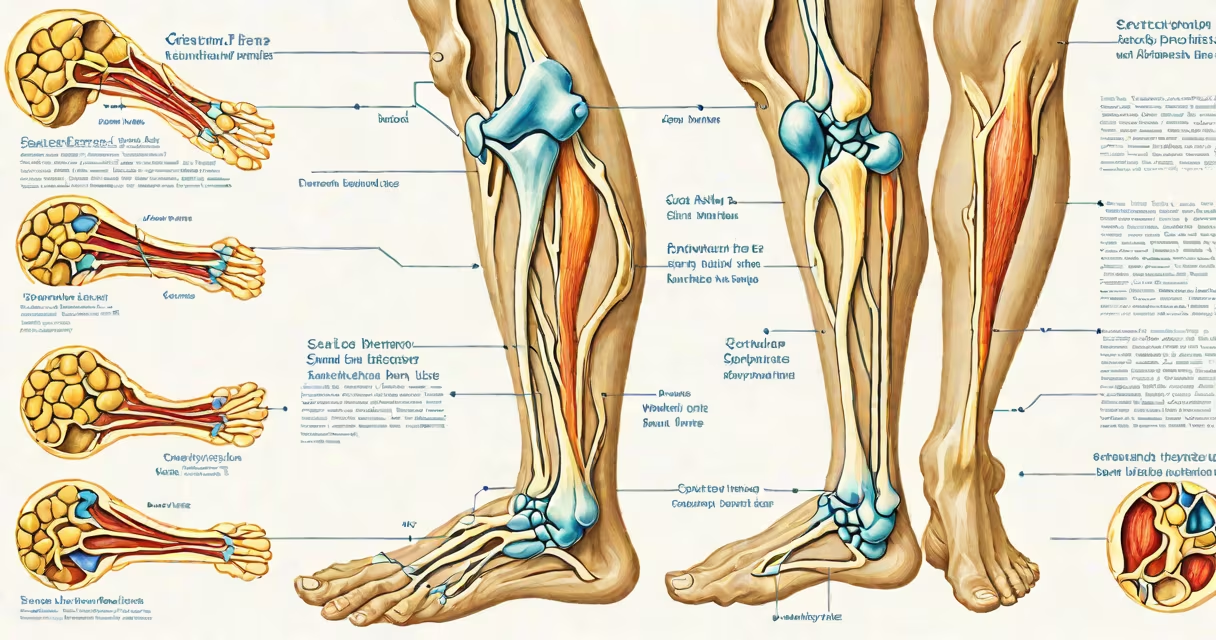
The sciatic nerve runs from your lower back down each leg, and sciatic nerve pain occurs when this nerve becomes compressed or irritated. This condition, called sciatica, typically causes sharp pain, tingling, or numbness in the lower back, buttocks, and legs.
The sciatic nerve is the largest and longest nerve in the human body. It branches off from the spinal cord, exiting the pelvis through the sciatic notch and running down both legs. When something compresses or irritates this nerve, it sends pain signals to the brain, resulting in sciatica symptoms.
Common symptoms include:
Several conditions can cause sciatic nerve pain. The most common include:
| Cause | Description |
|---|---|
| Herniated Disc | A herniated or slipped disc occurs when the soft inner material of a spinal disc pushes out through a tear in the outer layer. This can press on the sciatic nerve, causing pain. |
| Spinal Stenosis | Spinal stenosis is the narrowing of the spinal canal, which can put pressure on the sciatic nerve. |
| Piriformis Syndrome | The piriformis muscle, located in the buttocks, can sometimes spasm and irritate the sciatic nerve. |
| Spondylolisthesis | This condition occurs when one vertebra slips out of place onto the vertebra below it, potentially compressing the sciatic nerve. |
Other potential causes include trauma, tumors, or pregnancy, which can put additional pressure on the sciatic nerve.
Sciatic nerve pain typically starts in the lower back and radiates down one or both legs. It often affects one side of the body but can occur on both sides. The pain usually worsens with prolonged sitting, standing, or certain movements like bending or twisting.
Sciatic nerve pain is often mistaken for general lower back pain. However, sciatica specifically involves pain that radiates along the path of the sciatic nerve, often extending past the knee. This differentiation is important for proper diagnosis and treatment.
Consider John, a 45-year-old office worker who started experiencing sharp pain in his lower back and left leg. The pain worsened when he sat for long periods and sometimes felt like a jolt of electricity down his leg. After consulting a doctor, John was diagnosed with a herniated disc pressing on his sciatic nerve. Physical therapy and anti-inflammatory medication helped alleviate his symptoms.
Last year, I experienced sciatic nerve pain after lifting a heavy box incorrectly. The pain started in my lower back and shot down my right leg, making it difficult to walk. After a few weeks of rest and physical therapy, the pain subsided. This experience taught me the importance of proper lifting techniques and maintaining a healthy lifestyle to prevent future episodes.