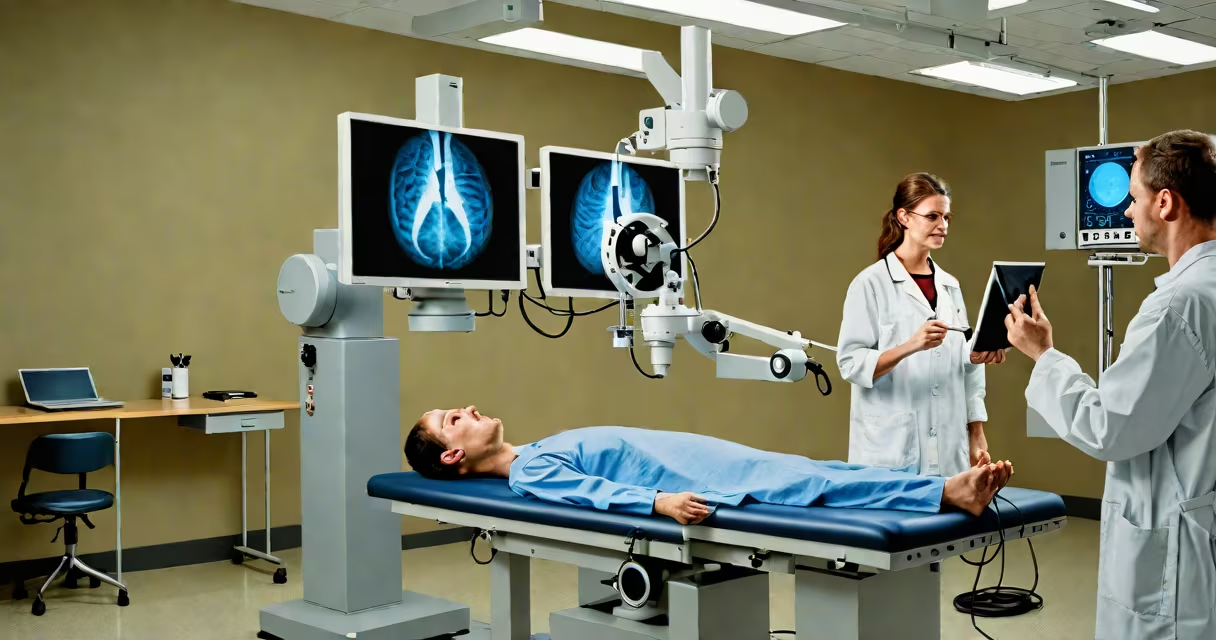
Radiologic technology programs prepare students to perform diagnostic imaging exams, such as x-rays, MRIs, and CT scans, using specialized equipment. These programs combine classroom instruction with hands-on clinical training to develop technical skills and patient care abilities.
Most programs last two years for associate degrees or four years for bachelor's degrees. Students learn anatomy, physiology, radiation physics, and patient positioning. Clinical rotations in hospitals or imaging centers provide practical experience. Accredited programs meet standards set by the Joint Review Committee on Education in Radiologic Technology (JRCERT).
| Program Type | Duration | Degree Earned | Key Focus Areas |
|---|---|---|---|
| Associate Degree | 2 years | Associate of Applied Science (AAS) | Basic imaging procedures, patient care, radiation safety |
| Bachelor's Degree | 4 years | Bachelor of Science (BS) | Advanced imaging modalities, management, research |
| Certificate Program | 1-2 years | Certificate | Specialized training for those with prior healthcare experience |
Graduates work in hospitals, clinics, diagnostic laboratories, and outpatient care centers. The U.S. Bureau of Labor Statistics projects employment for radiologic technologists to grow 7%, about as fast as the average for all occupations. Hospitals hire the most graduates, followed by outpatient care centers.
Some people confuse radiologic technologists with radiologists. Technologists operate imaging equipment and position patients, while radiologists are doctors who interpret the images. Technologists do not diagnose conditions or prescribe treatments.
I visited a program's lab during an open house and saw students practicing positioning techniques on mannequins. The instructor demonstrated how to adjust the x-ray machine for different patient sizes. This practical approach stood out compared to more theoretical programs.