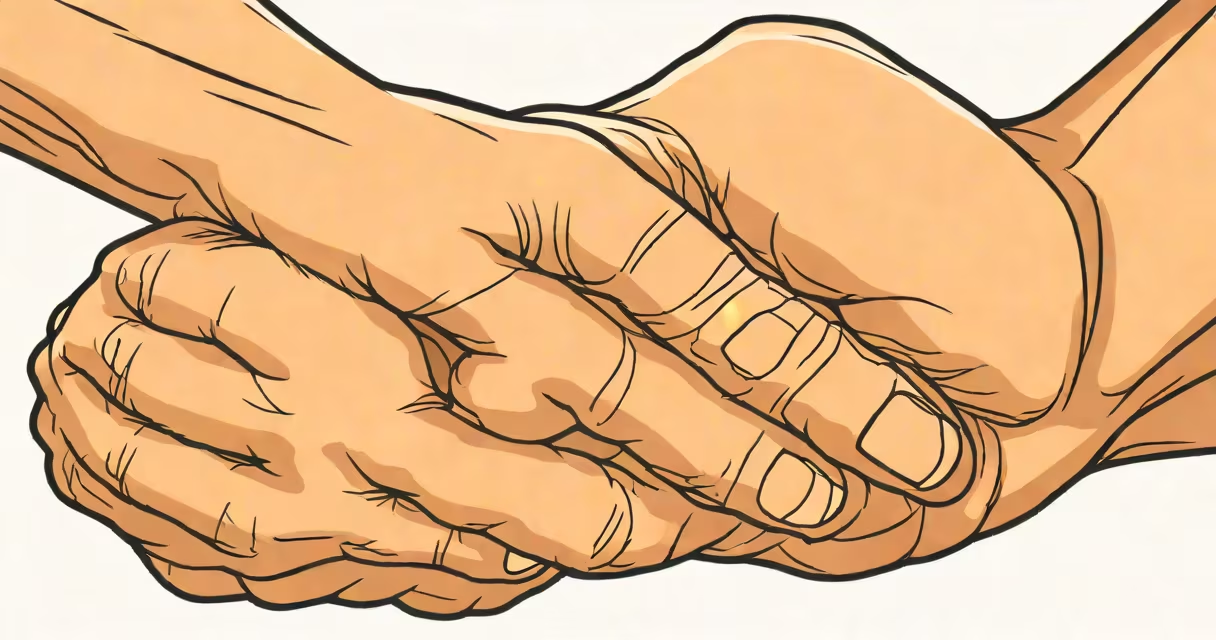
Scratching causes bruising when fingernails break tiny blood vessels beneath the skin, allowing blood to pool and create purple or blue discoloration. This happens most often on thinner skin areas like arms, legs, or the face.
Bruises form when physical force ruptures capillaries-the smallest blood vessels-beneath the skin's surface. Fingernails concentrate pressure on a small area, making them particularly effective at causing this damage. The deeper the scratch, the more likely it is to cause noticeable bruising.
The body responds by sending blood cells to repair the damaged area. As these cells break down, they release hemoglobin, which turns colors over time: red, then purple, then yellowish-brown before fading completely. A minor scratch may only leave a faint mark, while a deep scratch can produce significant bruising.
Certain conditions make bruising more likely:
Most scratch-related bruises heal on their own within a few days. However, seek medical attention if:
To reduce the risk of bruising:
If you're prone to compulsive scratching, behavioral therapies or stress management techniques may help. For persistent issues, consulting a dermatologist or allergist can provide targeted solutions.