Selenium is a trace mineral that supports hair growth by protecting hair follicles from oxidative stress and promoting healthy cell turnover.
Selenium acts as an antioxidant, neutralizing free radicals that can damage hair follicles. It also plays a key role in thyroid function, which regulates hair growth cycles. Studies show selenium deficiency may contribute to hair loss, particularly in conditions like alopecia areata.
Selenium supplements come in several forms:
The recommended daily intake for adults is 55 micrograms. Excessive intake (over 400 mcg/day) can be toxic, causing hair loss rather than preventing it.
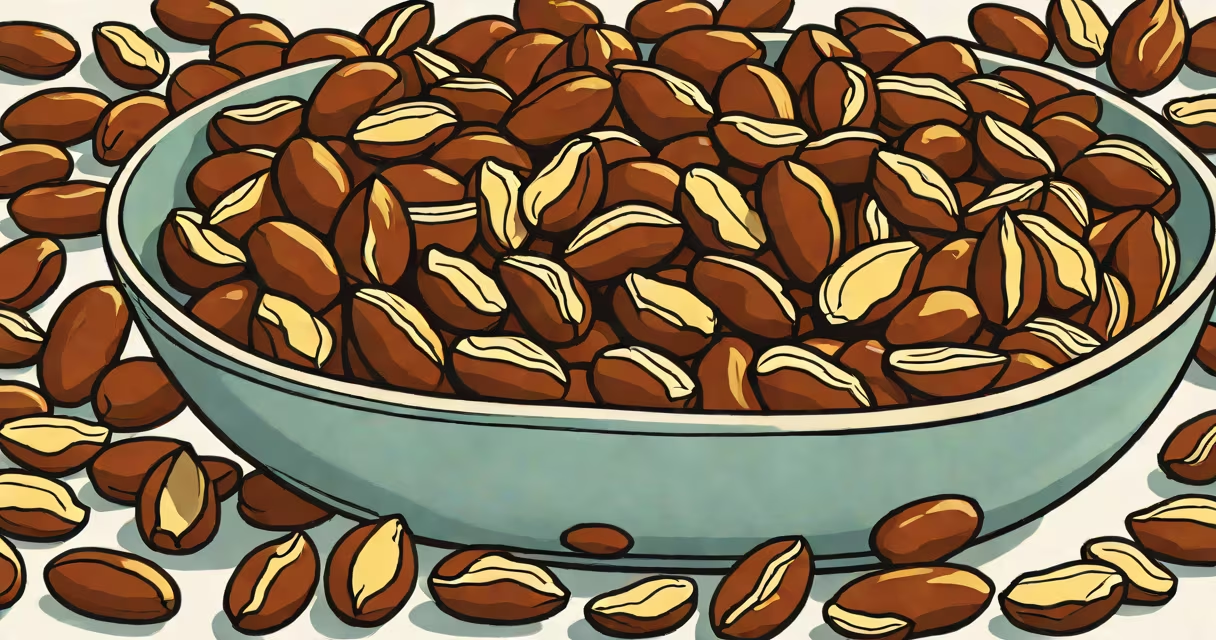
The richest dietary sources include Brazil nuts (one nut provides 178 mcg), yellowfin tuna (92 mcg per 3 oz), and halibut (76 mcg per 3 oz). Other good sources are eggs, sunflower seeds, and enriched grains.
| Nutrient | Role in Hair Growth | Recommended Daily Intake |
|---|---|---|
| Selenium | Antioxidant protection, thyroid support | 55 mcg |
| Iron | Oxygen transport to follicles | 8 mg (women), 18 mg (men) |
| Zinc | Keratin production, tissue repair | 8 mg (women), 11 mg (men) |
While selenium is essential, it works synergistically with other nutrients. For example, zinc deficiency can impair selenium metabolism, reducing its hair benefits.
A 2013 study published in the Journal of Cosmetic Dermatology found that selenium supplementation improved hair density in patients with alopecia areata. However, excessive selenium intake was linked to hair thinning in another study from the American Journal of Clinical Nutrition.
Many people confuse selenium with silica, another mineral important for hair. While both support hair health, silica primarily strengthens hair strands, whereas selenium protects follicles at the cellular level.
Another myth is that more selenium is always better. The body tightly regulates selenium levels, and excess amounts don't provide additional benefits but can cause toxicity.
Supplements may be helpful for those with known deficiencies or poor dietary intake. However, most people get enough selenium from food. Always consult a healthcare provider before taking supplements, especially if you're pregnant or have thyroid conditions.