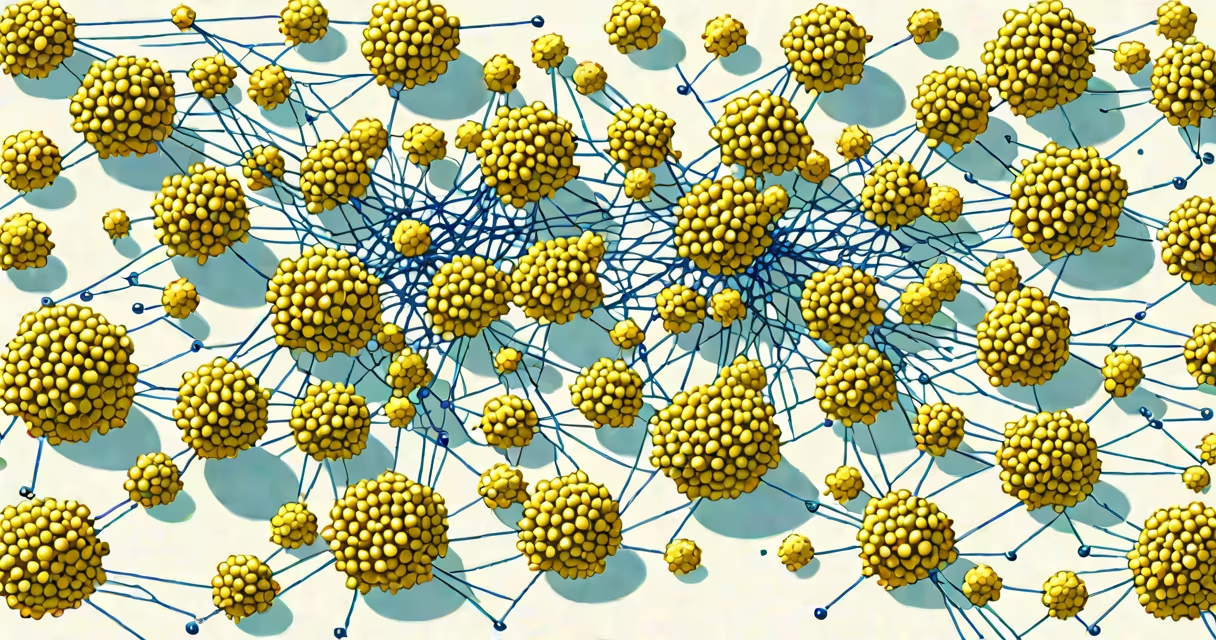
A severe staph infection occurs when Staphylococcus bacteria invade deeper tissues, organs, or the bloodstream, causing serious illness or death. These infections often begin as minor skin issues but can escalate rapidly.
Staphylococcus aureus is the most common cause of severe staph infections. Normally present on skin and mucous membranes, it becomes dangerous when it enters the body through cuts, surgical incisions, or medical devices. The bacteria produce toxins and enzymes that damage tissues and evade the immune system.
Once inside, the infection can spread to bones, joints, lungs, or the bloodstream. In the bloodstream, it causes bacteremia, which can lead to sepsis-a life-threatening condition where the body's response to infection causes tissue damage, organ failure, and death.
Severe staph infections include:
Risk factors include:
Antibiotics are the primary treatment, but severe cases may require intravenous administration in a hospital setting. For abscesses, drainage is necessary. In cases of sepsis, aggressive supportive care is important.
Resistance is a growing concern. Methicillin-resistant Staphylococcus aureus (MRSA) requires specific antibiotics like vancomycin or daptomycin. Preventive measures include proper wound care, hygiene, and antibiotic stewardship.
Many believe staph infections only occur in hospitals, but community-acquired cases are rising. Another myth is that antibiotics always work-resistance makes treatment harder. Proper diagnosis and prompt action are critical.
I once treated a patient with a severe staph skin infection that developed into sepsis. Early recognition and immediate IV antibiotics saved their life. This underscores the importance of vigilance.
Seek medical attention if you have:
Severe staph infections can lead to sepsis from staph infection, a medical emergency requiring immediate treatment. Early intervention improves outcomes.
To reduce risk:
Understanding severe staph infections helps in recognizing symptoms early and seeking timely medical care. Awareness and preventive measures can save lives.