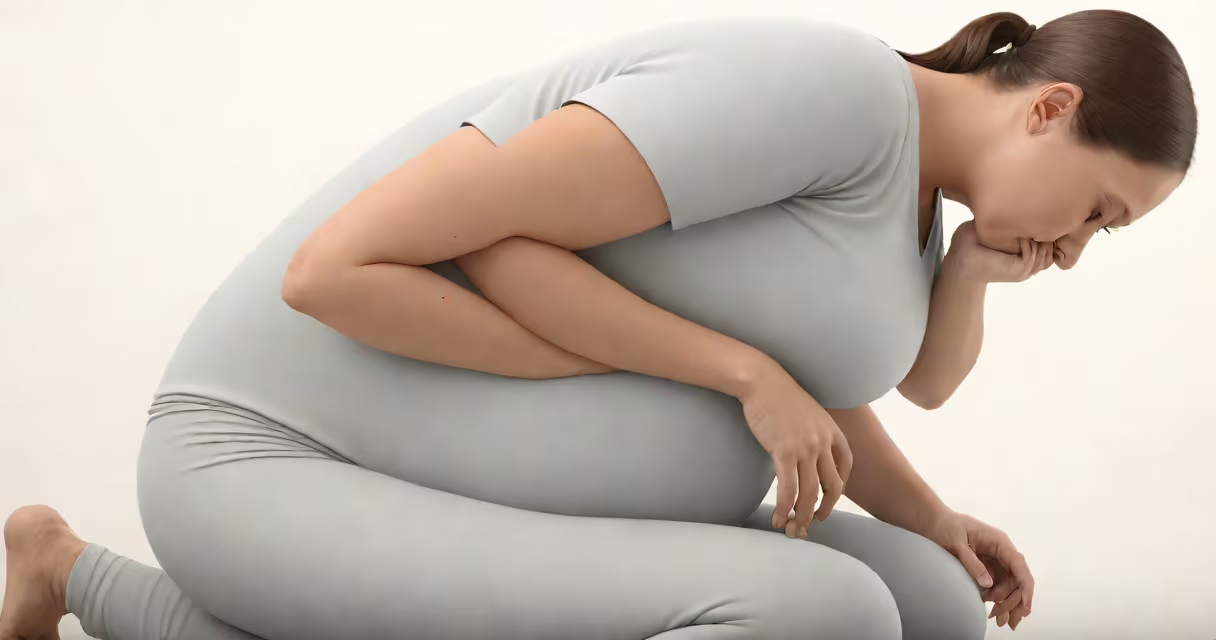
Labor contractions trigger hormonal changes and physical stress, which can stimulate the vagus nerve. This nerve connects to both the digestive tract and the brain, often causing nausea or vomiting. The intensity varies: some women experience mild queasiness, while others vomit repeatedly.
Vomiting during labor falls into two categories:
Other causes include dehydration, anxiety, or preexisting conditions like gastroesophageal reflux disease (GERD).
Labor-related vomiting typically occurs in the first stage of labor, often peaking during transition-the most intense phase before pushing. The body's release of prostaglandins and oxytocin, hormones that stimulate uterine contractions, also affects the digestive system.
A study published in the journal Obstetrics & Gynecology found that about 72% of women experience nausea or vomiting during labor, with higher rates among first-time mothers.
Many assume vomiting always signals labor, but it can also result from food poisoning, viral infections, or gestational hypertension. Conversely, some women go through labor without nausea.
One non-obvious fact: vomiting during labor is more common in women who experienced severe morning sickness earlier in their pregnancy. A 2018 study in BMC Pregnancy and Childbirth noted that women with hyperemesis gravidarum were twice as likely to vomit during labor.
During my sister's first labor, she vomited three times within an hour. Her contractions were irregular, so we initially thought it was foodborne illness. After ruling out infection, her doctor confirmed early labor. She delivered a healthy baby 12 hours later.
Signs of labor vomiting are common but not universal. While often linked to labor, they can also stem from other conditions. Monitoring other symptoms-such as regular contractions, lower back pain, and cervical dilation-helps distinguish labor-related nausea from unrelated causes.