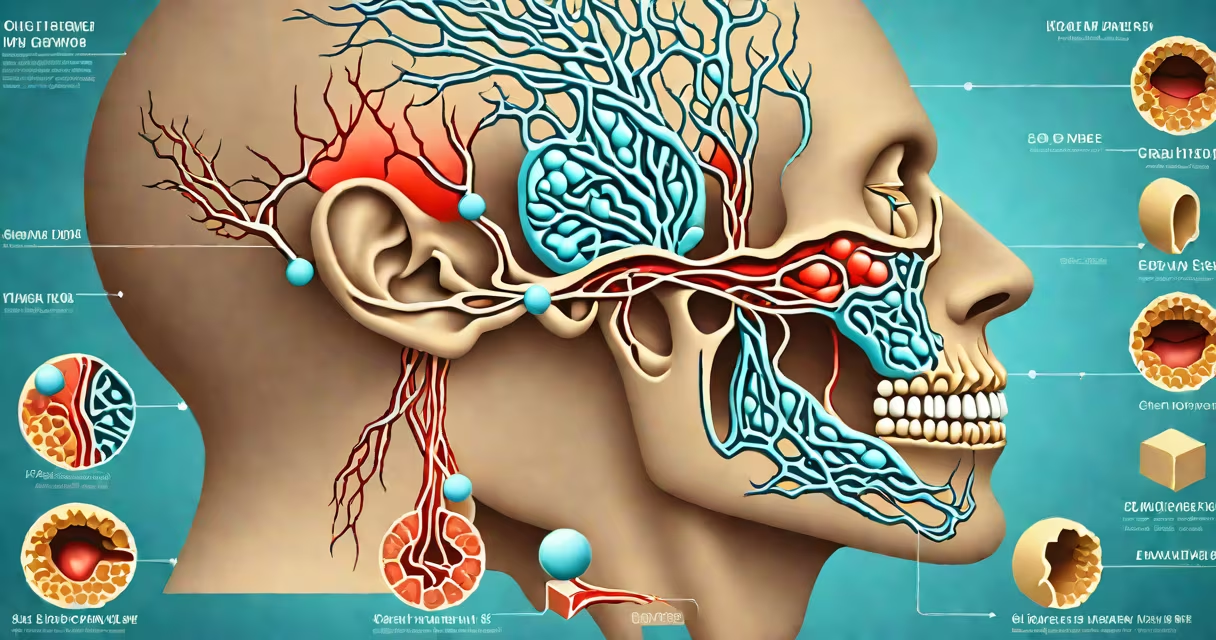
A sinus infection can cause gum pain because inflammation in the maxillary sinuses irritates nearby nerves that also serve the teeth and gums. This referred pain often mimics dental problems.
The maxillary sinuses sit above your upper teeth and share nerve pathways with them. When these sinuses swell from infection, pressure builds and triggers pain in the gums and teeth. This is why sinusitis can feel like a toothache or gum disease.
| Type | Duration | Common Causes |
|---|---|---|
| Acute | Up to 4 weeks | Viral infections (e.g., colds) |
| Subacute | 4-12 weeks | Bacterial infections |
| Chronic | 12+ weeks | Allergies, nasal polyps |
| Recurrent | Multiple episodes/year | Underlying conditions (e.g., asthma) |
According to the American Academy of Otolaryngology, chronic sinusitis affects about 12% of adults annually. The condition often recurs if underlying causes like allergies aren't addressed.
Gum pain from sinusitis typically affects multiple teeth at once, especially upper molars. Unlike dental pain, it worsens when bending forward or lying down due to increased sinus pressure. A 2018 study in Journal of Endodontics found that 40% of patients with sinus-related tooth pain initially sought dental care.
Dentists often mistake sinus-related gum pain for:
I once treated what I thought was a gum infection, only to realize the pain was from a sinus infection after an ENT visit. The sinusitis resolved with antibiotics, eliminating the gum discomfort.
Over-the-counter decongestants or saline rinses can reduce sinus pressure. For chronic cases, an ENT may recommend steroids or surgery. Preventive steps include managing allergies and avoiding smoking.