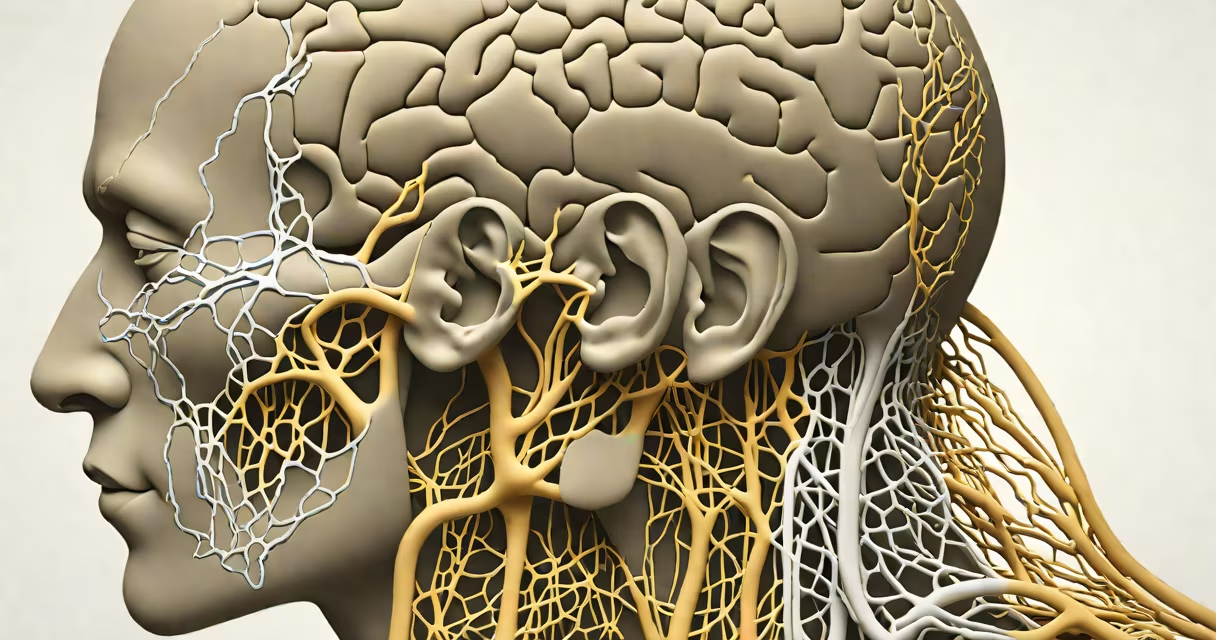
Sinus pressure dizziness nausea describes a set of symptoms where sinus congestion or infection causes dizziness and nausea. This occurs when sinus inflammation affects the inner ear or vestibular system, which controls balance.
The sinuses and inner ear are connected through small openings. When sinuses swell due to infection or allergies, they can obstruct these passages. Fluid buildup increases pressure, which may irritate nerves linked to balance. The brain receives conflicting signals about body position, leading to dizziness. Nausea often follows due to the brain's confusion between motion and stillness.
Sinus-related dizziness typically falls into three categories:
Common triggers include sinus infections, allergies, and structural issues like a deviated septum.
People often confuse sinus pressure dizziness with orthostatic hypotension or migraines. Unlike orthostatic hypotension (dizziness when standing), sinus-related dizziness persists regardless of posture. Migraines may cause similar symptoms but usually include throbbing headaches and light sensitivity.
Over-the-counter decongestants, antihistamines, or nasal steroids can reduce sinus swelling. Staying hydrated and using saline rinses also helps. In severe cases, antibiotics treat bacterial infections. Avoiding allergens and managing stress lowers recurrence risk.
I once experienced sinus pressure dizziness during a flight. The rapid cabin pressure changes worsened my existing congestion, leading to vertigo. A decongestant spray and staying upright helped me recover within hours.
Consult a doctor if symptoms last over a week, worsen suddenly, or include fever, severe headache, or hearing loss. Persistent dizziness may indicate an inner ear disorder requiring specialized treatment.
According to the American Academy of Otolaryngology, sinus-related dizziness resolves in most cases with proper care. Chronic issues may require further evaluation by an ear, nose, and throat specialist.