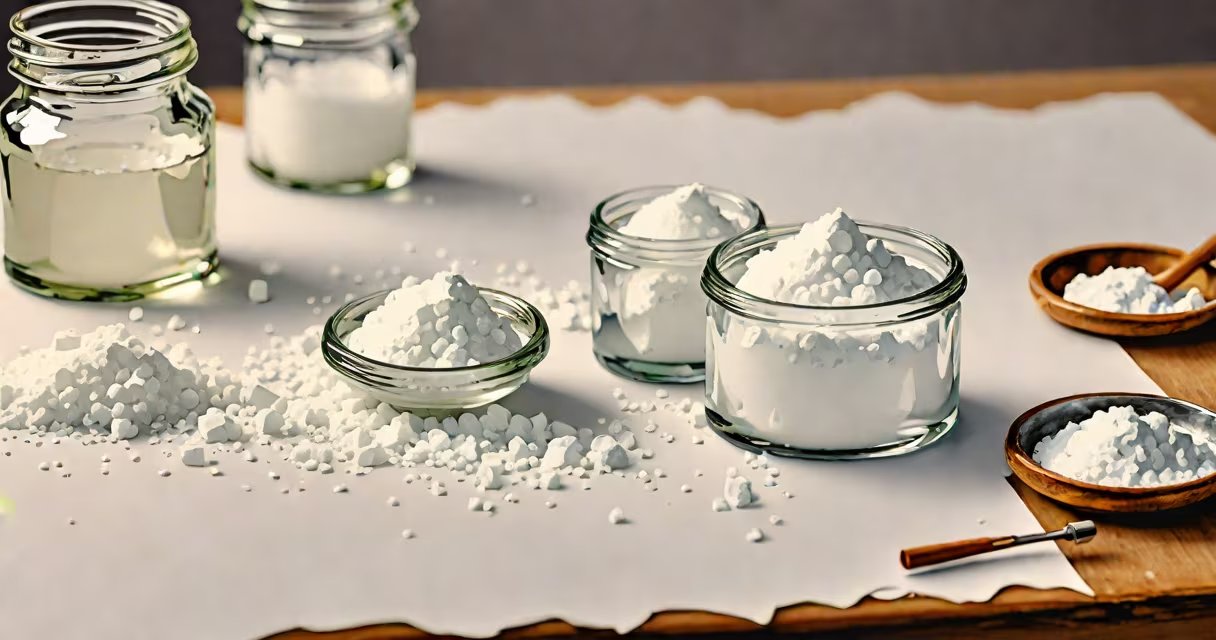
Sodium hydroxide has the CAS number 1310-73-2. This identifier helps chemists, regulators, and manufacturers track this hazardous substance through supply chains and safety protocols.
The Chemical Abstracts Service registry assigns unique numbers to chemicals. These numbers help standardize chemical identification worldwide. The CAS number for sodium hydroxide, 1310-73-2, ensures consistent labeling and reduces confusion between similar compounds.
Sodium hydroxide appears in three forms:
Sodium hydroxide is essential in manufacturing, cleaning, and unclogging drains. It dissolves proteins and fats, making it useful in soap production and drain cleaners. Industries also use it to process textiles, paper, and aluminum.
For example, a textile factory might use sodium hydroxide to soften fabrics. Similarly, a paper mill uses it to break down wood fibers. Its versatility makes it a staple in many industries.
People often confuse sodium hydroxide with other strong bases like potassium hydroxide or calcium hydroxide. Unlike these, sodium hydroxide is highly soluble in water and more commonly used in household products.
Sodium hydroxide is corrosive and can cause severe burns. Proper personal protective equipment (PPE), including gloves and goggles, is necessary when handling it. In case of accidental contact, immediate rinsing with water is important.
According to the Occupational Safety and Health Administration (OSHA), proper ventilation is required when working with sodium hydroxide. This reduces the risk of inhaling harmful fumes.
In my experience working with industrial chemicals, I've seen firsthand how proper safety measures prevent accidents. Always refer to the safety data sheet (SDS) for specific handling instructions.