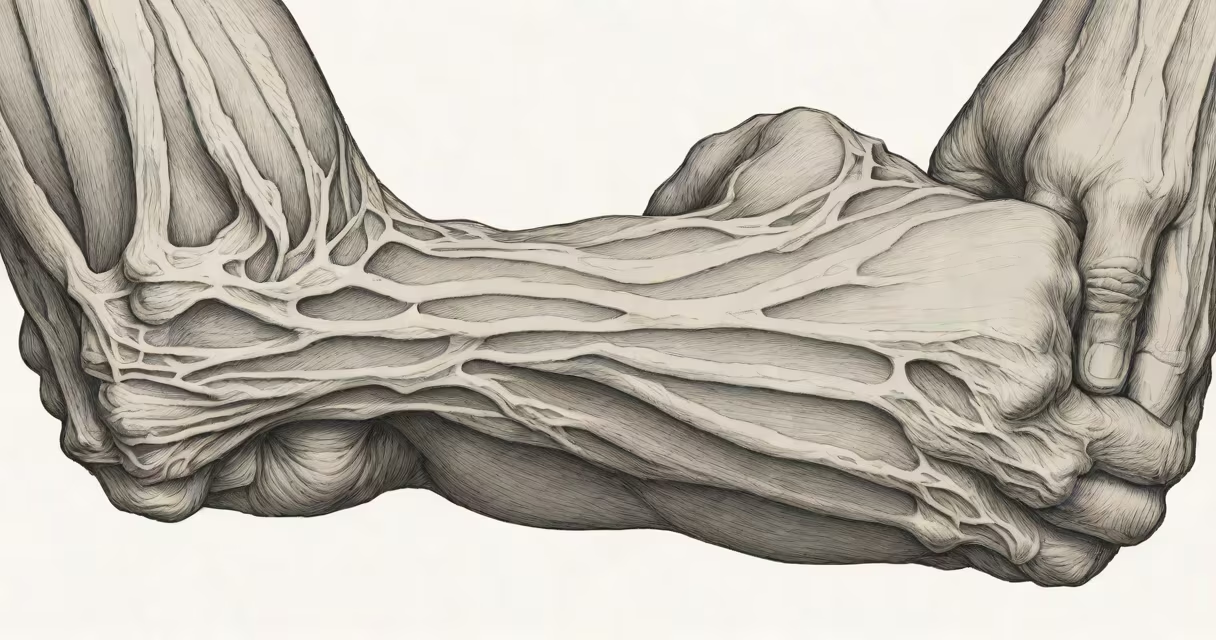
The forearm contains two main groups of muscles: flexors (on the palm side) and extensors (on the back). These muscles work together to move the wrist, hand, and fingers. When overused or injured, they can become inflamed, leading to soreness.
Forearm muscle pain usually falls into three categories:
Many people mistake forearm pain for tendonitis (inflammation of tendons) or carpal tunnel syndrome (compression of the median nerve). While these conditions can coexist, they require different treatments. A sore muscle often responds well to rest and gentle stretching, whereas tendonitis may need anti-inflammatory medication.
To ease forearm muscle soreness, try these steps:
For persistent pain lasting more than a few days, consult a healthcare professional to rule out more serious conditions.
To prevent forearm muscle soreness, maintain proper ergonomics while working, take frequent breaks during repetitive tasks, and strengthen forearm muscles with exercises like wrist curls and reverse wrist curls. Staying hydrated and eating a balanced diet also supports muscle health.
I once experienced a sore left forearm muscle after an intense weekend of gardening. By resting, icing the area, and doing gentle stretches, the pain resolved within a few days. If the discomfort persists or worsens, seeking medical advice is important to avoid long-term damage.